China remains largest developing country: Economist









BEIJING - Despite its economic achievements, China remains the world's largest developing country, according to an economist.
China still has a low per capita GDP, grapples with a lingering urban-rural gap, and is weak in industrial competitiveness and technological innovation, Wang Yuanhong, an economist at the State Information Center, wrote in a recent article.
"We should look at both economic aggregate and per capita figures when measuring the real development level of a country," Wang said.
Despite being the world's second largest economy, China's per capita GDP in 2016 was only 80 percent of the world average, one-seventh of the United States, and was ranked the 68th globally.
"Chinese per capital consumer spending was only $2,506 in 2016, less than half of the world average and only 7 percent of the United States."
The Engel's coefficient, which measures food expenditures as a proportion of total household spending, stood at 29.3 percent in China, much higher than developed economies.
"It means Chinese still have to spend big on basic needs, and their expenditure on culture, health care, entertainment and tourism are much less than people in developed countries," Wang said.
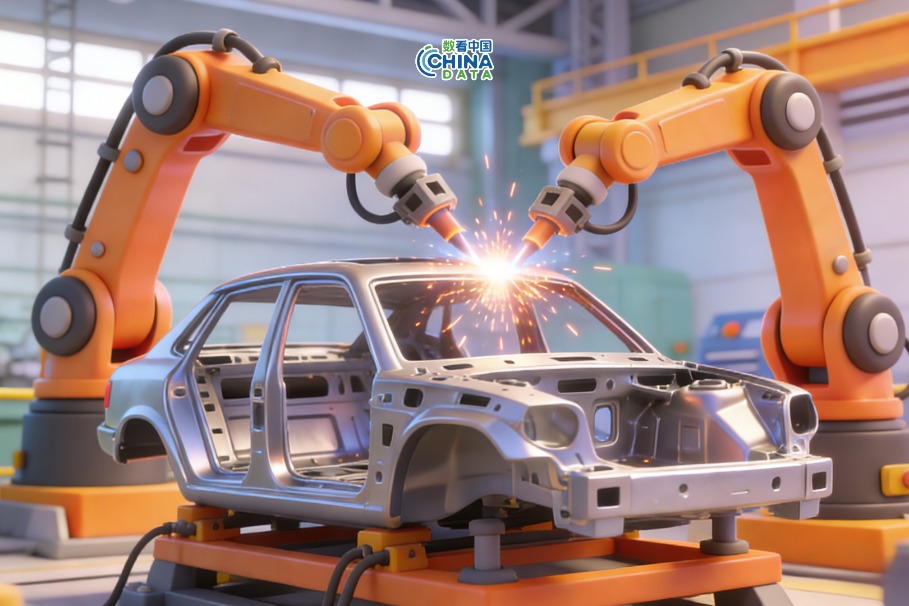
"China's industrial structure needs upgrades," Wang said. "The share of the primary sector is too big, and the manufacturing...remains low at the global value chain. The proportion of knowledge-intensive services is small."
Wang said China was still "a follower in technological innovation," with businesses inadequate in research and development. "Eighty percent of core technology, most of high-end equipment, and core components are reliant on imports."
Despite emerging new technology, products and business models, China has yet to complete building an innovation-driven growth pattern, Wang said.
"China, unlike developed countries, is plagued by imbalance in regional development and urban-rural gap," Wang said.
The disparity of people's incomes per capital between provinces can be as large as more than four times, and there is still a marked gap in infrastructure and public services between cities and villages.
"China's urbanization ratio was only 58.52 percent in 2017, far below the around 80 percent of developed countries," Wang said.
Compared with developed countries, China lags behind in many other areas including environment protection, investment effectiveness and market supervision, Wang said. "Some people at home and abroad misjudged China's development phase...but we should be clear-headed."