



Summit may herald 'Century of Asia'









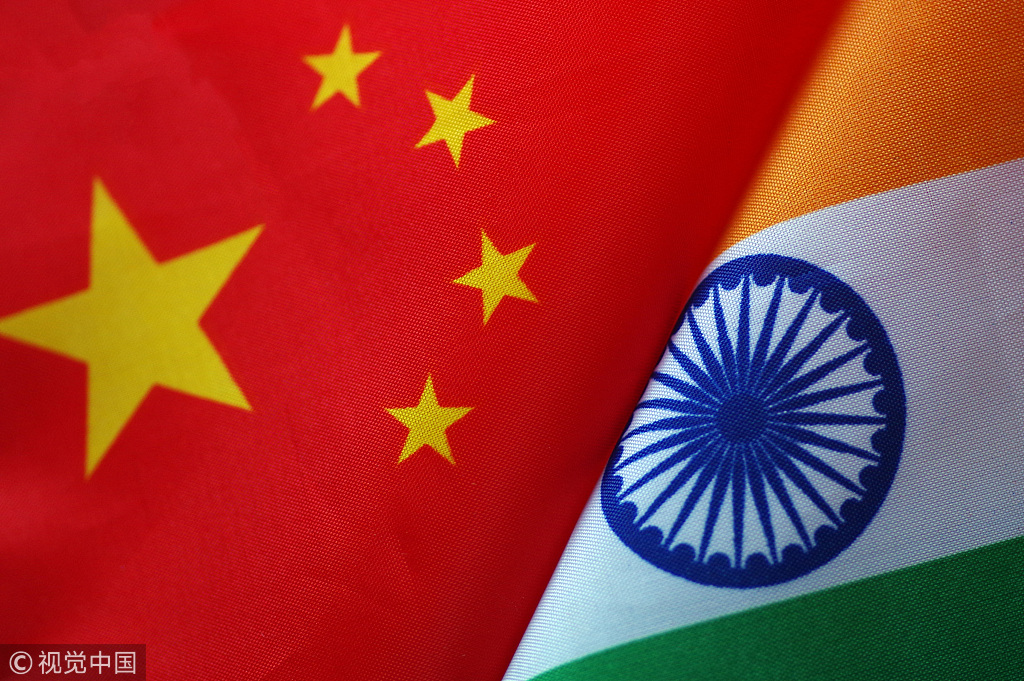
President Xi Jinping and Indian Prime Minister Narendra Modi are expected to exchange views on issues of strategic, long-term and overall importance at their informal meeting in Wuhan, Hubei province, on Friday and Saturday. The meeting will be a new landmark in China-India relations, infusing fresh vigor into bilateral ties and ushering in a new phase of cooperation.
With the world undergoing profound changes, the meeting between the leaders of two ancient civilizations shows they sincerely care for the future of humankind. Globalization and multilateralism, as well as win-win cooperation and shared growth, face severe challenges thanks to US President Donald Trump's protectionist trade moves. As two of the biggest emerging market economies, China and India encounter hurdles not only on the path to their respective development, but also for the rejuvenation of Asia, a common goal of the two sides.
"The Century of Asia will not come without the development of China and India," former Chinese leader Deng Xiaoping told Rajiv Gandhi, then Indian prime minister, 30 years ago. And 15 years ago, Atal Bihari Vajpayee, who was Indian prime minister at that ime, emphasized: "The 21st century will become the Century of Asia if China and India can build a stable and lasting relationship."
China and India cannot count on help from outside the region when leading the rejuvenation of Asia together. Against this backdrop, the Wuhan summit will help the two countries to better understand the international situation and deepen mutual trust.
Over the past year or so the tone of cooperation in bilateral relations has been maintained, although occasional frictions, especially the recent border standoff, have created headwinds for the development of ties. Enjoying a long history of friendly exchanges, the two neighbors aspire for national rejuvenation, and their efforts to achieve their respective goals will get a shot in the arm if their relations further improve.
Thankfully, last summer's border standoff was a brief affair. Nevertheless it helped the two sides recognize the importance of crisis management and deepening their cooperation. The series of subsequent high-level meetings, including Modi's scheduled visit to attend the Shanghai Cooperation Organization summit in Qingdao, Shandong province, in June attests to that.
With candid communication between Xi and Modi, the Wuhan summit is expected to reduce the differences and build consensus between the two countries. And the belief that China and India are natural partners is expected to take deeper root at the Wuhan meeting. The two leaders are likely to focus on the following issues:
First, they may discuss the current world order. Beijing and New Delhi jointly proposed the Five Principles of Peaceful Coexistence and helped establish them as the basic norms for handling international relations. Acting as a force for good in the international arena, the two countries uphold globalization and multilateralism, and proactively take part in global governance. The synchronized and rapid development of the two countries is beneficial to the stability of world order and conducive to striking the right balance among international powers.
Second, Xi and Modi are expected to exchange their governance experiences, which could help the two sides learn from each other so they can better realize the daunting tasks of leading the world's two most populous countries on their chosen development paths.
And third, the two leaders are likely to discuss how to address major international challenges. The common interests of China and India far outweigh their differences. For instance, they share a common interest in improving the international trade and financial system, as well as the global energy market. The two sides also share extensive common interests in strengthening cooperation under the frameworks of BRICS, the SCO, and the G20.
Of course Xi and Modi will also address each other's concerns, but they are not likely to indulge in strategic distrust and geopolitical competition by ignoring the necessity of strengthening win-win cooperation.
The author is a research fellow at the China Institutes of Contemporary International Relations.





