



No stopping for tolls improves traffic flow









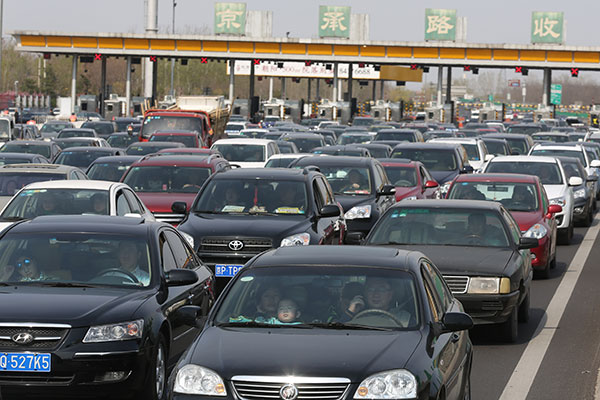
To reduce logistical costs and improve the traffic flows on expressways, drivers will no longer have to pay the toll at stations on provincial borders. Beijing News commented on Monday:
Experienced long-distance drivers know the toll stations located at provincial borders are the main cause of traffic jams on the nation's expressways. Putting an end to payment at these toll stations does not mean drivers no longer have to pay the toll. It just means the charge will be collected in other ways to ensure the automobiles no longer have to stop at the toll stations.
Technically, it is not difficult to realize nonstop tolling, as electronic toll collection technology has been rolled out nationwide. And unmanned operation is the trend for all highway toll stations, as it boosts traffic efficiency and saves labor costs.
The news is welcome despite the fact the tolls still have to be paid, as it means drivers will no longer have to waste time in lines waiting to pay, which will not only be a relief to drivers, but also help relieve the burden of delivery costs on enterprises.
According to the Ministry of Transport, China had 136,500 kilometers of expressways in total at the end of 2017, the longest in the world, connecting 98 percent of cities with a population of more than 200,000. As the expressway network becomes increasingly dense, the number of toll stations has increased markedly.
As expressways are mostly constructed and operated by the different provinces, it is almost predictable that the highway management companies, which are mostly directly affiliated to the provincial transport department, will be the main carriers of the reform. The target has been determined, and the next step is to promote the withdrawal of the station network with positive actions. The provincial highway management companies need to better coordinate with each other to push forward the flow of economic blood.





