It's time the EU realized US' anti-free trade characteristics









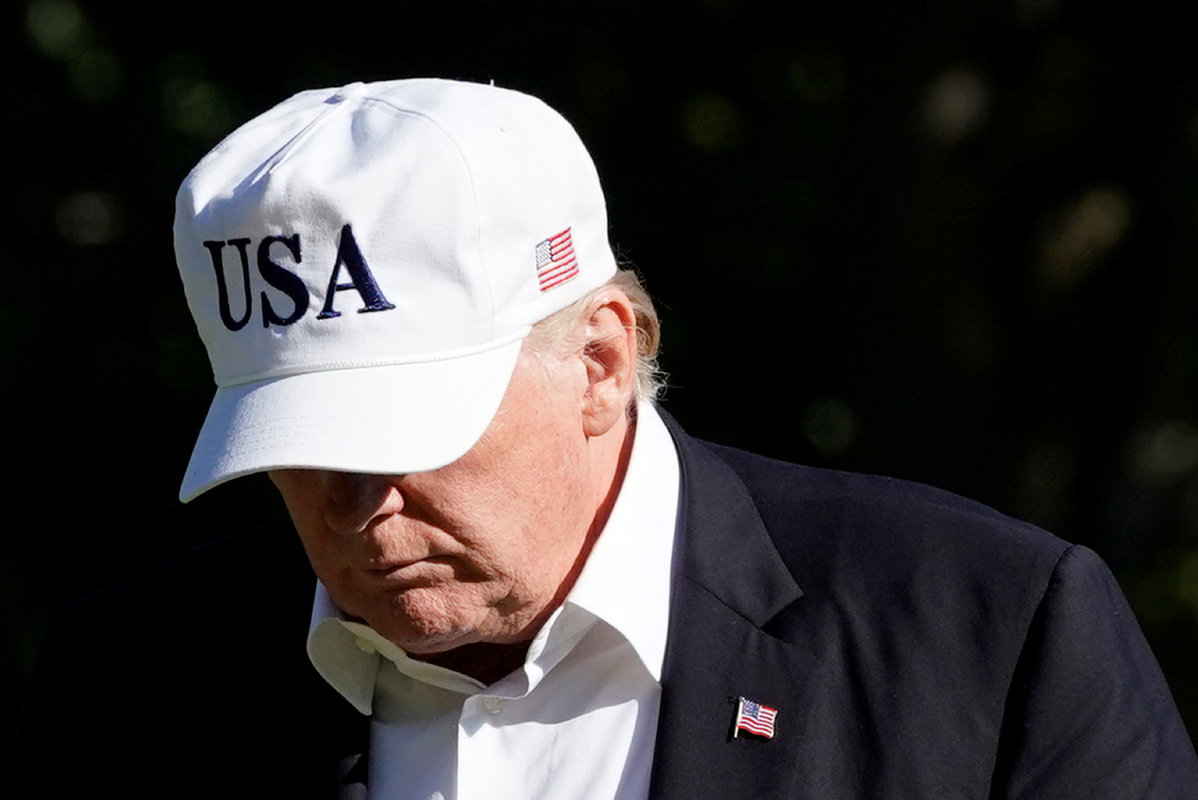
European Council President Donald Tusk's weekly agenda shows he will discuss only routine affairs with US President Donald Trump at the NATO summit in Brussels on Wednesday and Thursday. And there are no signs yet to suggest the European Union and the Trump administration will hold their first summit in the near future.
The reason for Trump's reluctance to hold a US-EU summit could be attributed to his discomfort with the idea of European integration. He even urged France recently to leave the bloc.
Although EU leaders expected a EU-US summit to be held at the earliest given the importance of the Transatlantic Trade and Investment Partnership, Trump didn't show any inclination to do so. Now, even the EU is not pushing forward the TTIP agenda.
Trump visited Brussels in May 2017 but just held a short meeting with top European leaders on the sidelines of the NATO summit. And although he will visit Brussels for the two-day NATO summit again this week, no separate meeting with the EU leaders is scheduled, at least so far. Perhaps because their meeting at the G7 summit in Canada last month was anything but successful, they don't want to go through the same experience again.
But in protocol terms, this is unusual.
The EU boasts 500 million consumers and its collective economic clout is greater than that of the United States. Traditionally, theirs has been the closest partnership in the world; more importantly, such a meeting is necessary when the US president is visiting the EU headquarters.
During my almost eight-year stay in Brussels, it was usual protocol practice for EU leaders to hold meetings with visiting leaders, but Trump has bypassed that practice.
Hopefully, the US and EU officials are comparing last-minute notes to hold a US-EU meeting in Brussels.
Trump will also pay a four-day visit to the United Kingdom, which is busy negotiating Brexit terms with the EU, although Britons are protesting against the US administration. Apparently, Trump will discuss a free trade agreement with UK leaders, even though the UK is forbidden to do so until it leaves the EU.
Trump may be sending a message to the EU that he is playing a balancing game by giving the EU short shrift and attaching importance to the UK. The cooling of relations between the EU and the US is also a setback for global governance.
Since the 2008 global financial crisis, the G20 summits of advanced economies and emerging powers pushed forward global crisis-management measures to reform the global governance mechanism, with the major global players speaking in the same voice on climate change and other burning issues such as the Iran nuclear deal.
Despite the ups and downs, the international community managed to uphold rather fruitful dialogues and agreed to take concerted actions to meet global challenges. And China, the EU, the Barack Obama administration and other major players fulfilled their due roles.
But all that changed after Trump became US president.
Therefore, it's time the EU realized the Trump administration is out to neutralize the results of those joint efforts, by pushing its "America first" policy. The EU has always urged China to shoulder more global responsibilities, which the latter has done. And President Xi Jinping has reiterated that China has benefited from reform and opening-up, and thus will protect globalization and free trade.
China has been fighting protectionism and unilateralism not only for its own sake but also to protect the legacy of global governance, which is also in the interests of the EU and the US. So the EU must also fulfill its responsibility of safeguarding the assets and legacy of global governance in fields such as free trade, climate change, healthcare and education.
And to do that successfully, the EU must know which economy represents fairness in trade and which opposes it by launching trade wars.
The author is deputy chief of China Daily European Bureau.
fujing@chinadaily.com.cn