



Shine on, harvest moon









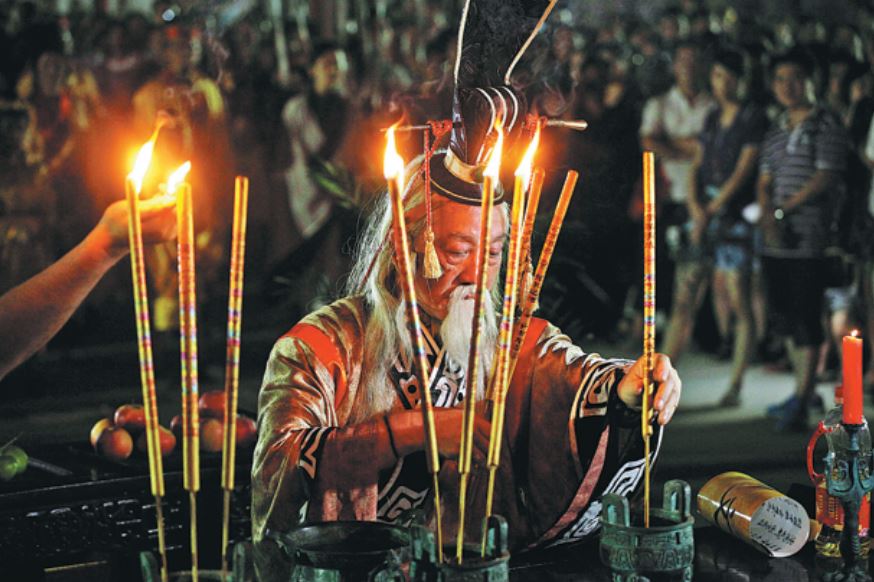
Tradition transcends time
Lin's hometown of Shanwei is dominated by the Teochew people, who mostly hail from Henan and Shanxi, with a well-maintained dialect and traditional customs derived from North and Central China.
Lots of old traditions for Mid-Autumn Festival have been preserved, and quite a few practices are related to the local religious beliefs, she says.
Since the beginning of the eighth lunar month, people start visiting relatives and friends to present traditional gifts, such as fruits, mooncakes and cooking oil.
The point of doing so is to show love and respect to relatives and friends, especially the elderly, Lin explains.
During the day of Mid-Autumn, people will prepare hearty food and other offerings for their ancestors. In the evening, the whole family will enjoy a reunion dinner together.
Then, they will worship the moon. Families gather in their front yards to put mooncakes, fruits, incense and candlesticks on an altar or table. The younger generation follow their elders in expressing their respect for the moon and their wishes for a better life.
Though the custom of worshipping the moon and people's ancestors is far from as popular as it used to be, Lin insists that it remains a key part of the festival's culture.
"Some people may think it's old-fashioned and unnecessary, but I believe it's very important as it gives us a sense of belonging and keeps us connected with our wider family, both past and present," Lin notes.
Besides worshipping the moon and eating mooncakes, other customs, such as drinking the osmanthus flower wine during the festival, are also popular nationwide.
However, folk customs for Mid-Autumn Day vary in different parts of China, Wang observes.





