



Online sales platforms boost consumer rights









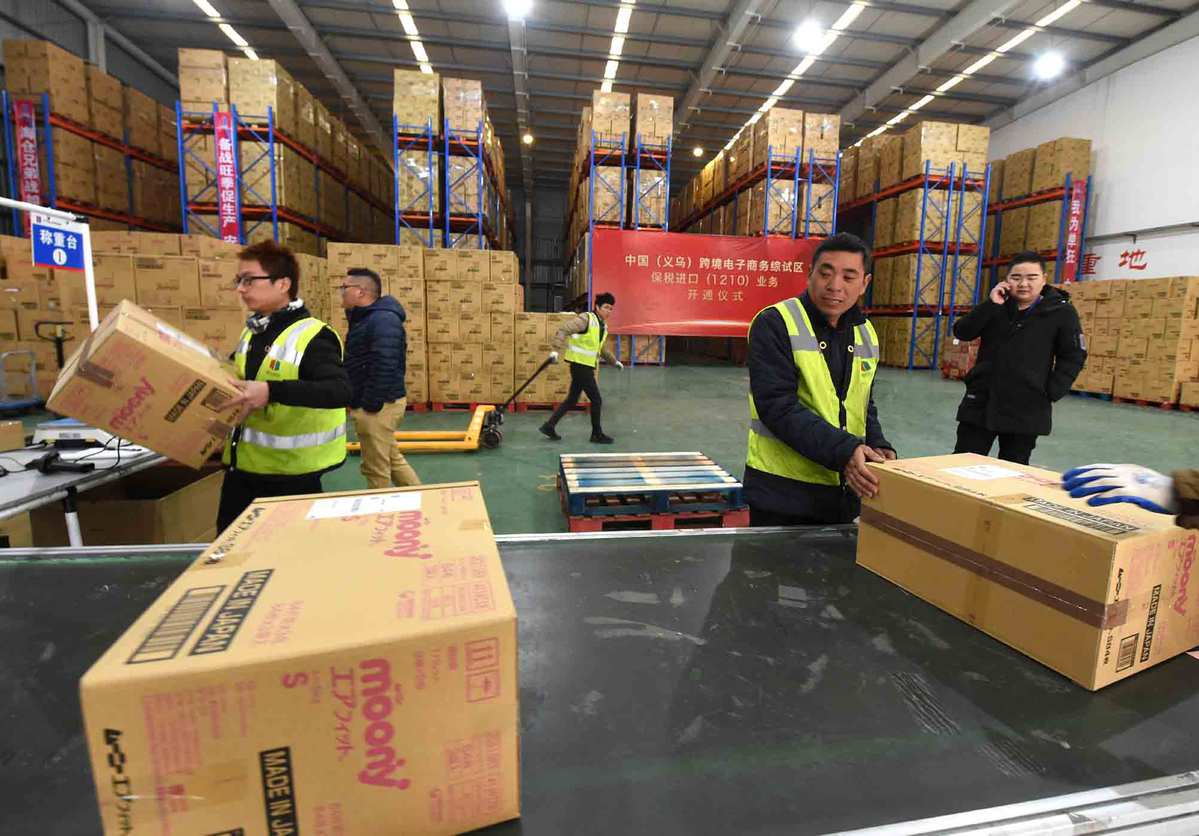
Last year, the number of disputes involving cross-border online shopping rose, according to a report from the internet court in Hangzhou, capital of Zhejiang province.
With more than 610 million online buyers nationwide, disputes related to e-commerce accounted for many of the cases handled by the court, which opened in August 2017.
The court has ruled on 2,099 such cases and found in favor of the customers in about 90 percent of them, the report said.
Despite witnessing a decline in the number of cases related to online purchases of foodstuffs, healthcare products, medicines, electronic goods and clothing, the court saw a rise in lawsuits involving online shopping platforms that offer imported commodities such as makeup or designer bags.
The report named several platforms - including Tmall Global, owned by e-commerce giant Alibaba, NetEase's Kaola, and the fashion and beauty products retailer Xiaohongshu.
It urged them to improve their online trading rules, strengthen efforts against counterfeit goods and fake advertisements, and also take steps to further safeguard consumers' personal information.
Meanwhile, the sums involved in e-commerce disputes have risen in tandem with living standards, incomes and purchasing power as a result of China's growing economic strength, according to Ni Defeng, vice-president of the court.
Last year, the average amount involved in each case was 68,184 yuan ($10,150), about 50,000 yuan higher than in 2017, Ni said.
"For example, one of the disputes was related to the online purchase of an electric car valued at about 1.32 million yuan," he added.
The report praised a number of e-commerce platforms which pay suppliers for goods in the event that the purchaser believes they have been sold counterfeit or poor quality items. They only ask consumers for payment when the problem has been resolved.
The court said the practice signals a major improvement in the ability to resolve disputes and strengthens consumer rights.
However, it also noted that to ensure an orderly market, e-commerce operators require greater supervision, both in-house and governmental, relating to the safety of food sold on their platforms.





