



Influencer marketing has vital role









In order to capture a slice of China's booming consumer market, influencer marketing is no longer an option but a necessity for brands.
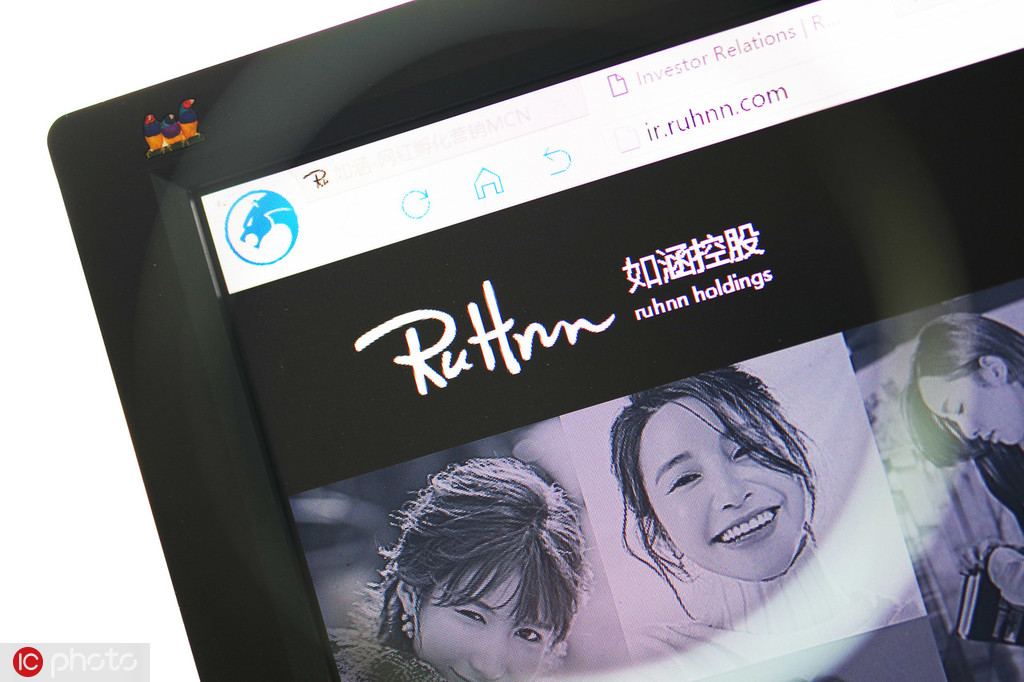
Now it has even proven to be a compelling business tale, as is exemplified by the recent Nasdaq-listing of Ruhnn Holding Ltd, a Chinese startup bridging influencers with brands to help engage potential clients and drive online sales.
Stocks of the Hangzhou-based firm slumped over 37 percent from its $12.5 per share issue price on its debut trading day last Wednesday. But the initial public offering itself has stirred much discussion on the potential and hurdles of this emerging industry.
Founded in 2014 by former online shop owner Feng Min, Ruhnn, which houses 113 key opinion leaders (or what most Chinese call KOLs), goes beyond just matchmaking. According to the company's website, it also takes care of the full e-commerce cycle for certain clients, from product design, manufacturing, warehousing and delivery to after-sales services.
Influencer endorsement is big business in China. Consultancy Frost & Sullivan's data showed that sales generated by online influencers reached 32.9 billion yuan ($4.9 billion) in 2017, and that number is expected to enjoy a brisk 40.4 percent compounded annual growth rate over the next five years.
"With digital media forms being much more diverse in China than elsewhere, people have become weary of standard media advertising and are increasingly drawn to influencer endorsement," said Tadashi Yoshida, vice-president of iStyle Inc, Japan's leading cosmetics portal.
Brands seeking KOLs with large, loyal followings have seen their efforts pay off. For example, Ruhnn's top influencer Zhang Dayi, a model-turned online celebrity, helped to sell 2,300 bottles of sunscreen co-branded by Zhang and US skincare brand Neutrogena in just one minute during a May campaign.
In an earlier interview with China Daily, Zhang attributed her success to the "unprecedented digitalization, decentralization of the cosmetics consumption and the rise of the Generation Z", and stressed the importance of a constant output of original and compelling content to keep followers hooked.
"These influencers usually have a considerable follower base that sees their opinions and suggestions as credible," said Neil Wang, president of Frost& Sullivan in China. "They promote attitudes and approaches that can affect the buying decisions of their followers and readers, through which they monetize their popularity."
E-commerce and social media platforms striving to drive online traffic also have a role to play. Popular sites from Taobao, Weibo to Xiaohongshu and Douyin, are jostling to host live-streaming services through which internet celebrities endorse goods to grab the attention and spending of followers.
And as their fame accumulates, some KOLs will choose to launch indigenous brands.
But uncertainties abound, with a lack of evidence that growing traffic necessarily equals a similar growth in profitability. Ruhnn's prospectus showed that the company doubled its net loss to nearly 90 million yuan in 2018 from a year earlier, thanks to 643 million yuan in revenue costs fueled in part by the expansive proportion of service fees paid to influencers.
Besides, Zhang alone has accounted for about half of Ruhnn's total sales for nearly three years. Overreliance on top KOLs is "risky" from a purely investment point of view, and the homogenization of platforms could in turn become inevitable, according to Li Songlin, an analyst at consultancy iiMedia.
According to Wang, the sustainability of the business also relies on the constant grooming of new celebrities and the generation of compelling content, as well as quality and supply chain control over self-run brands.
"But the making of an influencer is hardly quantifiable ... The success (of the business) can at times be simply a matter of luck," said Li.




















