



Satellite mega-constellation may cause problems and change appearance of night sky









SpaceX project and its like must not be implemented at any cost
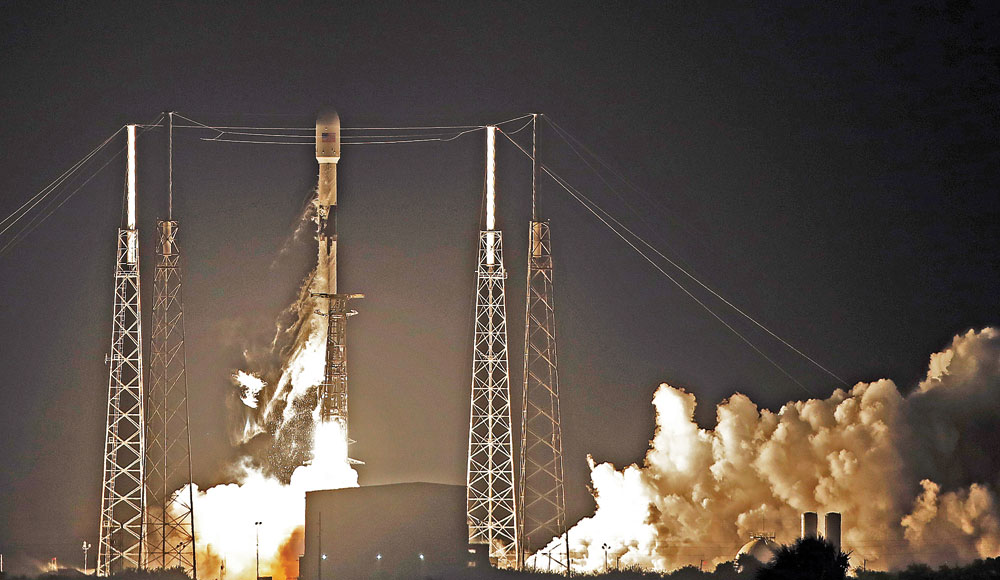
Last month, the kingpin of cutting edge experimental technology Elon Musk did something both amazing and contentious. SpaceX, one of his many research companies, successfully launched 60 satellites weighing 230 kilograms each into space. The aim is to cover the planet in numerous satellites to produce total global cover for high speed internet, among other commercial intentions.
This planned mega-constellation has however caused concern among the astronomer community, which holds concerns that our night sky is being inundated with a cluster of man-made structures. The SpaceX satellites are clearly visible and extremely bright to the point where many budding amateur astronomers were keen to upload their photos to social media. Forget the current uproar regarding our oceans, space is now our latest frontier for man-made pollution.
The potential for a convenient high speed internet connection around the world however, is a huge deal. No matter where you are, whether in the most dense of jungles or the most remote mountains of our continents, people everywhere, regardless of class, will be able to connect. Infrastructure such as healthcare and education will have high speed internet anywhere, which globally could have a huge impact. Many therefore see this as a pursuit worth the cost.
The challenge is to progress this goal in a way that does not impact the future of space environmentalism, a term that no doubt will become a rising issue within the next few years. Concerns have been raised regarding "space junk" and deactivated satellites filling the air. As yet, there is no clear cut method to clear up disused orbiting satellites or retrofit them. With space technology progressing so fast, new models are being launched into space almost on an annual basis. It is not just SpaceX either, companies such as Amazon, OneWeb and Telesat are all aiming to do the same thing. "This has the potential to change what the night sky looks like", astronomer Tyler Nordgren told the New York Times.
So just how will we tackle this? The expanding concept of environmentalism is a tricky issue, but legislation for it dates back to halfway through the 20th century. The Outer Space Treaty of 1967 states that space belongs to "the province of all mankind". This legislation provides guidelines on the fair use of space and also prohibits weapons of mass destruction to be positioned in orbit or on celestial bodies. As of 2019 major nations such as the United States, China and Russia are all ratified under this treaty. A lot has changed since the 1960s however, and ensuring that space stays open for everyone may involve careful regulation of what private companies launch into our orbit.
The intention of SpaceX is admirable and the benefit of accessible high speed internet anywhere in the world may indeed be a necessary step to progress in the 21st Century, as visionaries such as Elon Musk suggest. However we must be careful to balance this with a careful eye on how we protect this new frontier that will inevitably become more important as this century unfolds. We only need look to our oceans to see how devastating a lack of care and foresight can be for the environment. We must ensure that we learn from these mistakes, and any endeavors which take place in our final frontier, no matter the usefulness, must be carried out with care. We may not all get a chance to see it in our lifetime, but it is arguably the most valuable area of exploration and future generations may thank us more than we believe.





