



Garbage classification and food safety on governments' to-do list









Several ministry-level departments, including those responsible for urban-rural development, transport and health, have responded recently to issues of public concern.
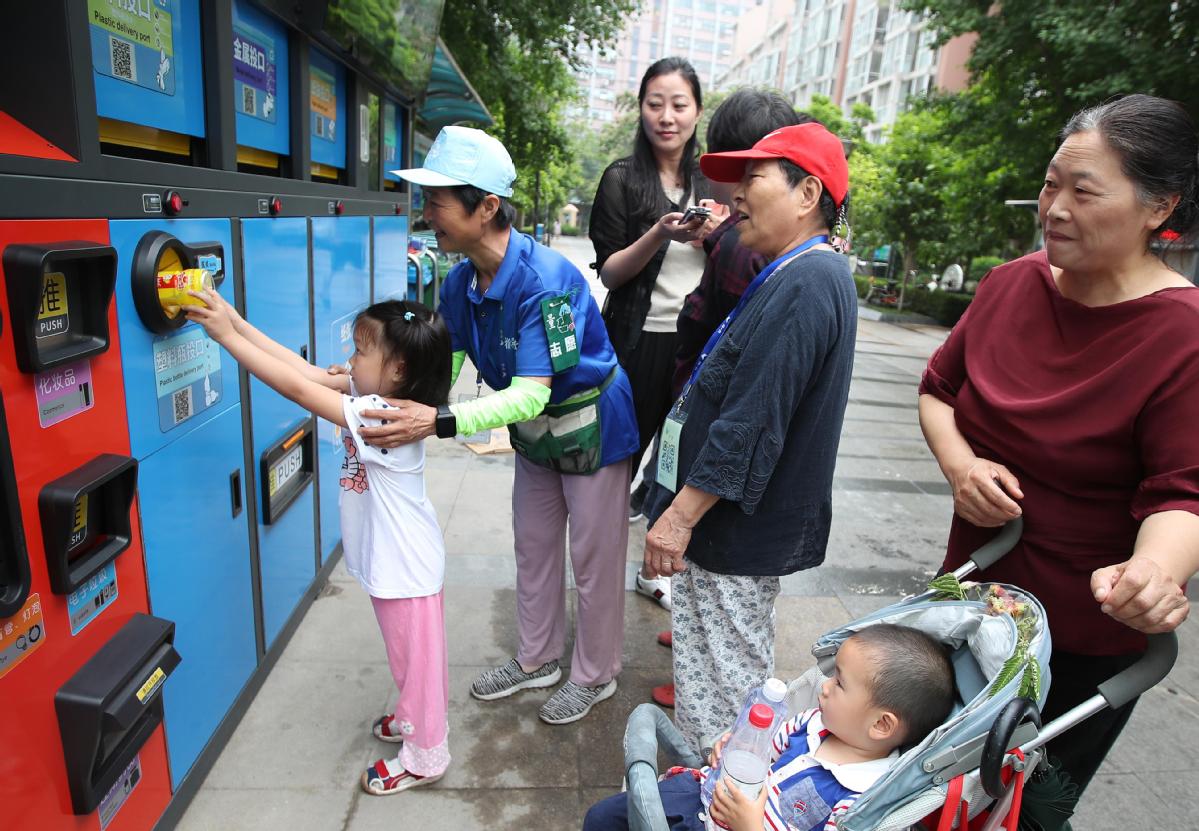
Garbage classification campaign stepped up
All cities at the prefecture level and above will start work on the promotion of household garbage classification this year, the Ministry of Housing and Urban-Rural Development said in a notice.
The 46 cities currently involved in a household garbage classification pilot program should set up a system to classify and dispose of their household garbage by 2020, the ministry said.
By 2022, every city at the prefecture level and above should have at least one district where all household garbage is classified, and by 2025 they should have their own household garbage sorting and disposal systems.
The ministry required all the cities to come up with an action plan by the end of this year, laying out concrete measures to achieve the goals.
Public institutions, including local governments and scientific research institutions, should take the lead in implementing household garbage classification, according to the notice. Schools should strengthen education about the topic, and the cities should encourage young people to take part in the campaign.
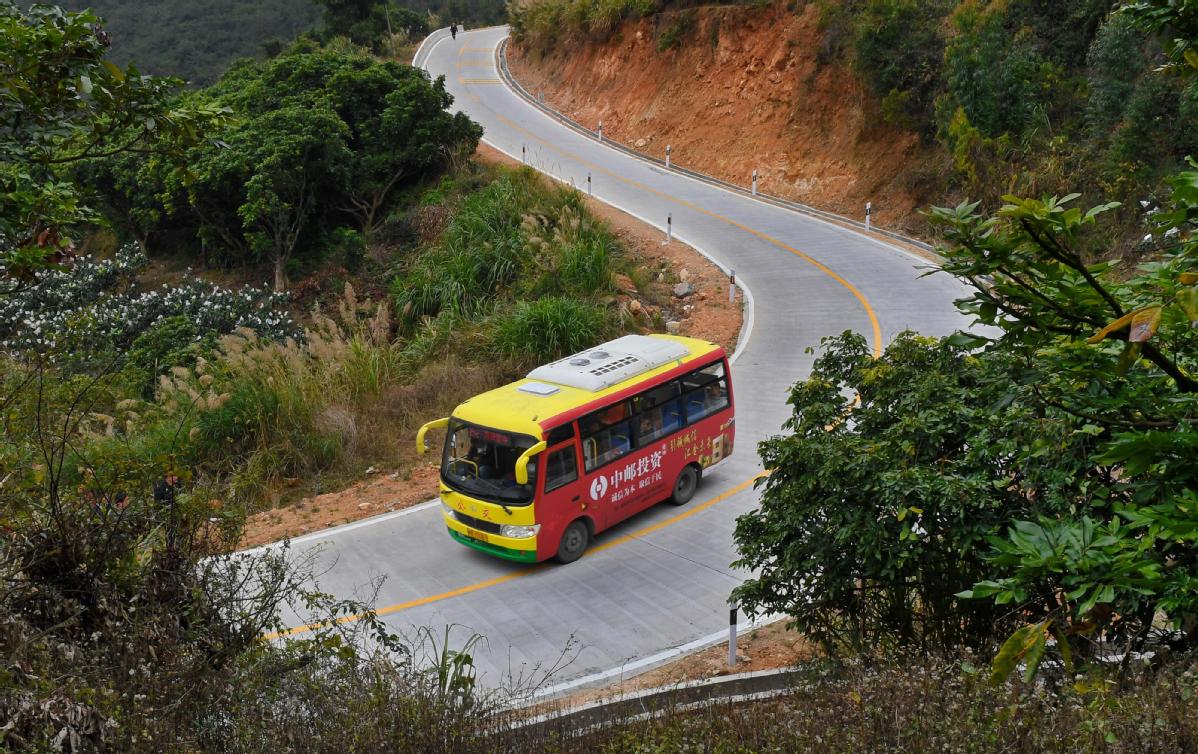
Villages to be connected by coach lines next year
The Ministry of Transport will work to ensure all appropriate villages are connected to coach services by next year, a spokesman said at a recent news conference.
There are more than 10,000 villages in China that have not yet been reached by coaches, spokesman Wu Chungeng said.
In order to achieve the goal on schedule, the ministry will make a more detailed road map, and will work with the Ministry of Finance on a financial support mechanism to ensure that coach lines connecting the villages will operate in a sustainable way, Wu said.
It will also collect examples from regions where rural coach lines are well developed and share them with other regions.
In the past five years, the ministry has extended coach lines to more than 7,000 villages a year on average, Wu said, adding that more than 98 percent of the country's villages are now connected by coach services.





