


Chinese ceramics discovery provides crucial clues









Expertise provided
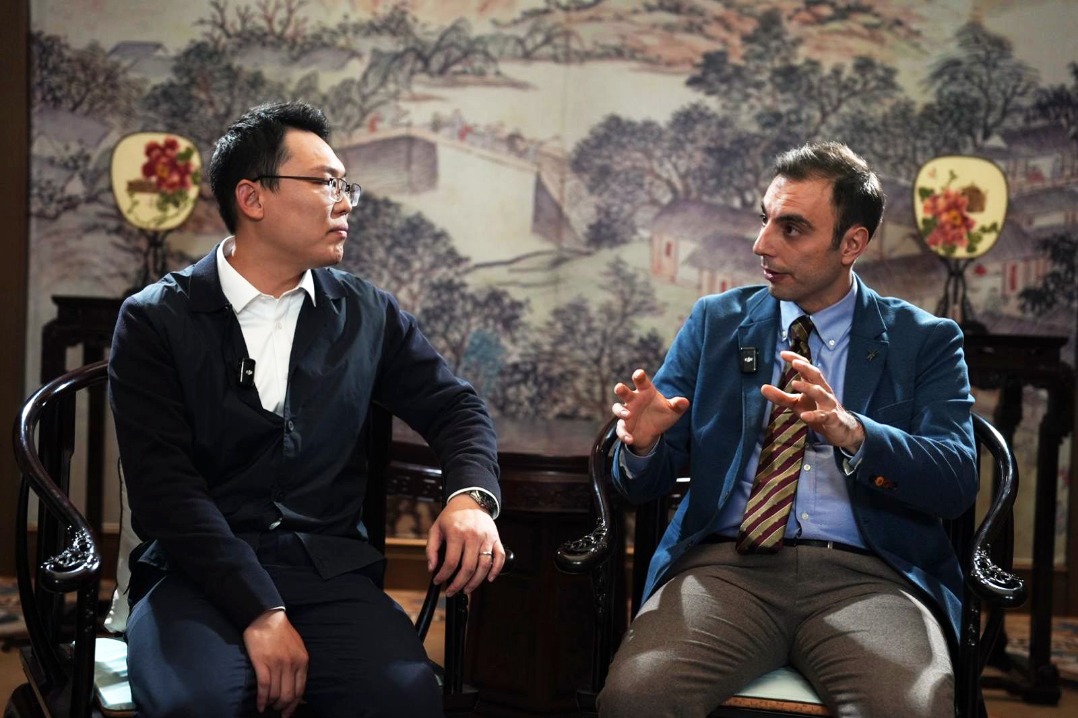
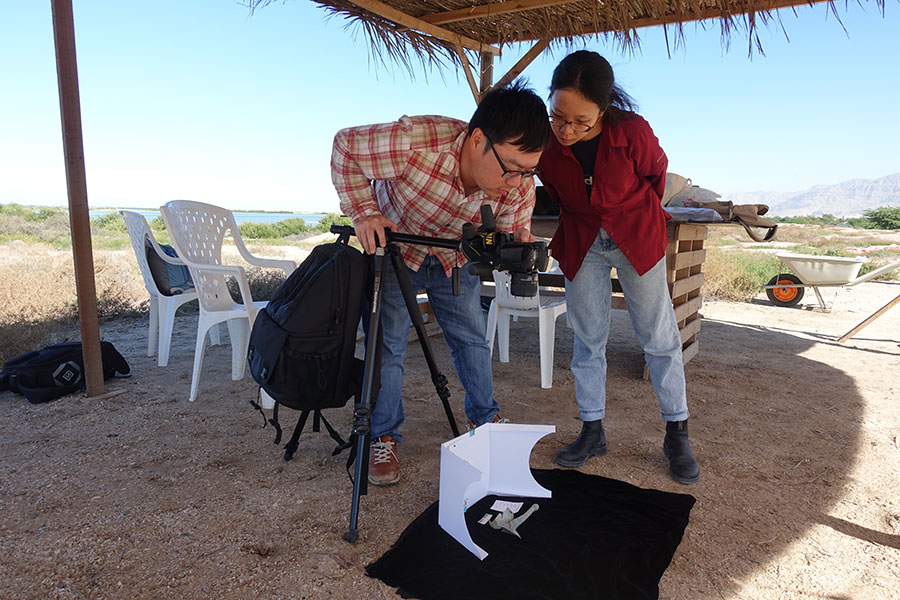
The joint research efforts have enabled experts from the university and Palace Museum to share knowledge about the production of ceramics, kilns and clay as well as the techniques employed.
Researchers from the British university also said it gave their team an insight into how the pottery was used and by which groups of people.
"The Chinese scholars are experts on the eastern end of the trade route, and we provided expertise on the western end," Kennet said. "By combining our knowledge, we could be doing something interesting that will help us to understand the world economy in medieval times."
Kennet said that in addition to uncovering China's role in global trade along the Maritime Silk Road, the team is keen to learn more about the traders and merchants involved with the ceramics.
"We found these ceramics in the Middle East, but we don't know anything about the merchants who traded them. They didn't keep any records and we haven't got any information about them at all-they are a historical blank," he said.
"The trade could have been made from China and then perhaps have gone to (present-day) Malaysia. From there, it could then possibly have involved another group of merchants, perhaps from India, who would then take the pottery to the Gulf before another set of merchants could have carried it even further," Kennet said.
"These merchants joined the world together economically in the Tang, Song and Yuan dynasties."
The medieval port of Julfar in what is now Ras al-Khaimah was one of the most important cities in the Middle East during the Middle Ages.
Julfar was a key commercial centre in the Gulf, with the pottery trade playing a significant role in the local economy for hundreds of years.
"It is an important medieval site and we have found a huge number of Chinese ceramics there. Many are rare, such as 14th-century Chinese blue-and-white porcelain," Zhang said.
The team also discovered imperial ceramic sherds from the early 15th century, providing a connection between China in the Ming Dynasty and the Gulf.
Zhang said, "Imperial ceramics were special to the Chinese emperor and strictly for use by the Imperial Court in the Ming and Qing (1644-1911) dynasties. Our excavations have shown they were traded at the Julfar site and that some of the sherds can be linked to figures from Chinese history such as General Zheng He."
Zheng was a diplomat, mariner and explorer during the early part of the Ming Dynasty who helped extend China's maritime and commercial influence throughout the Indian Ocean.