



Govt payments, not infra stimulus, may shape recovery









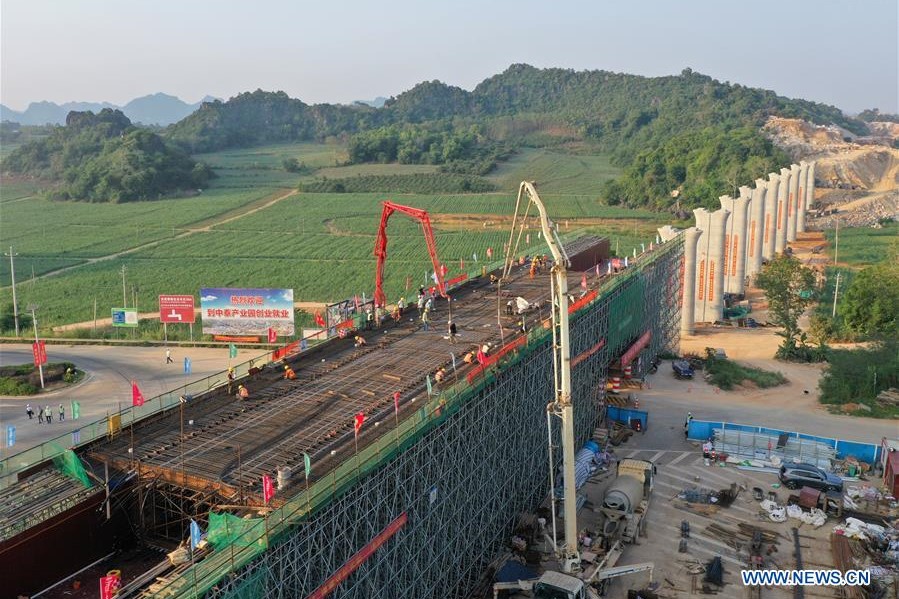
Compared with infrastructure investment that forms new capital, the transfer payments to individuals and businesses have the advantages of not distorting the allocation of resources and are reversible once the economic fallout from the pandemic ends.
It also should be noted that any over-reliance on macro adjustments that focus on stimulating demand, like expanding infrastructure investment, can have non-negligible side-effects, especially when restrictions on supply recovery linger due to the continued infection risk.
China's GDP took a record deep plunge during the first quarter of the year, yet the slowdown in the general price rise over the same period was very modest. In normal times, the change in the first-quarter CPI corresponds to only less than 0.5 percentage point of GDP slowdown.
The sharp contrast between output and price level indicates that the aggregate supply was disrupted almost as heavily as the aggregate demand, which cast a long shadow over the suggestions to restart and stimulate the economy from the demand side.
Before completely removing the limits on supply caused by the pandemic, policies that merely stimulate demand may not work as well as expected but brew up inflation.
Domestic demand in China has been gradually recovering and will likely offset the shock from dropping external demand, leading to less economic downside pressure for the second quarter of the year than the previous one.
The economy is expected to start a mild and slow recovery after the second quarter and finally reach a post-pandemic balance. Output at the new balance may be a bit lower than the level prior to the pandemic as long as infection risks linger.
Against this backdrop, the government is expected to be flexible and realistic when it comes to setting this year's goal of economic growth. For instance, the government may consider setting GDP growth target for the third and fourth quarters of the year but forgo the target of the whole year.
In short, there is still a long way to go for economic activities in China to rebalance after the epidemic. During this process, economic policies should flexibly act in accordance with changes in the supply-demand relationship; and transfer payments to hard-hit businesses and low-income people should become extremely important policy moves.
Gao Shanwen is chief economist at Essence Securities and a member of the China Finance 40 Forum, a non-governmental think tank dedicated to policy research on economics and finance.











