River protection efforts bear fruit










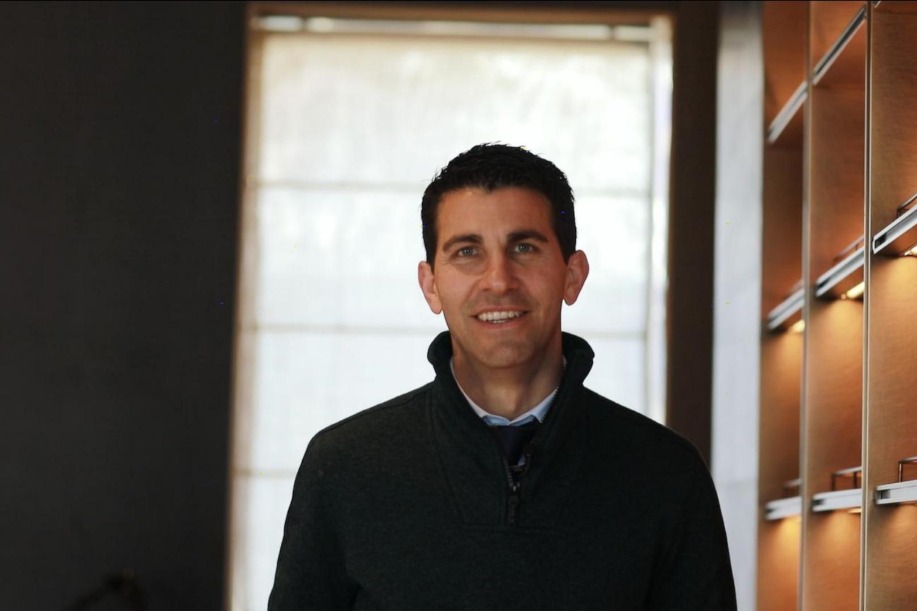
"Previously, we looked for experts after we decided to launch certain projects," he said. "We might turn to Professor Wu today and then have no idea which expert we would approach next time. It wasn't systematic at all."
The frequent changes of experts made it hard for individual teams at various institutes to gain a thorough understanding of the conditions of water bodies, which was key to tapping their self-repair potential.
He said the new arrangement could help address the problem. The team's long-term follow-up work on water pollution could help identify major sources of pollutants in different water bodies and aid in the choice of aquatic plants best suited to activate their self-repair.
The novel coronavirus outbreak in Wuhan, the city in China hit hardest by the COVID-19 pandemic, led to the temporary suspension of some of the team's remediation projects, but they found other ways to contribute.
At least 30 team members based in Wuhan helped monitor water bodies around hospitals where COVID-19 patients were being treated, as well as the waste water they discharged. They also conducted research on the effect the widespread use of disinfectants had on the aquatic ecosystem.

Some of the team's demonstration remediation projects resumed on April 1, before the lockdown of Wuhan due to the COVID-19 pandemic was lifted on April 8, and work has now returned to normal.
Xu said restoring the health of water bodies by planting aquatic plants is a complicated undertaking. Plants with a strong ability to resist pollution are usually planted first to improve the water quality so that other less-resistant plants can then survive.
The efforts of his team have borne fruit, with some plants especially suited to ecological remediation that researchers from Wu's institute have planted on a small stretch of water having survived the test of time.