


Remote former military base transforms into tranquil tourist spot










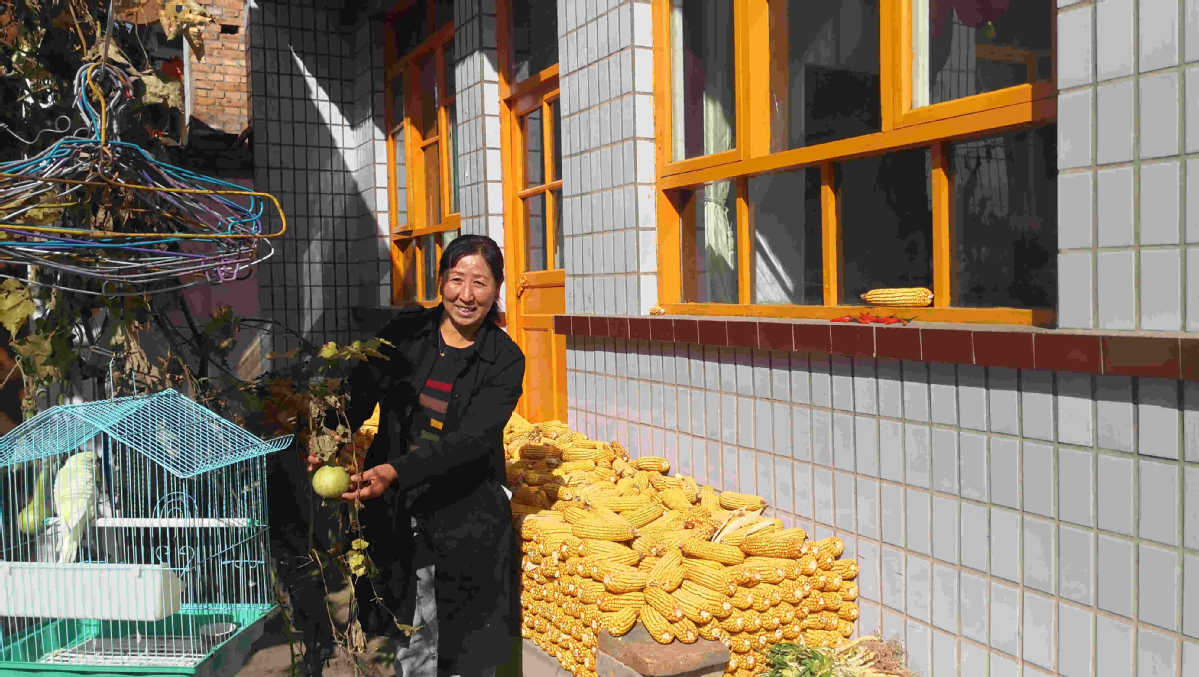
An ancient hamlet deep in the Taihang Mountains in Shanxi province that was once home to a military base has taken advantage of its isolation to beat poverty.
With 286 dwellings, Shangwu village in Zuoquan county enjoys tranquility, fresh air, a cool climate and a pristine environment. Communist Party of China forces took advantage of its remote location during the War of Resistance Against Japanese Aggression (1931-45) and used it as a base.
The road that has connected Shangwu to the outside world since 1985 was upgraded in April and the village has become a base for cycling tours. Some riders travel 480 kilometers from Beijing to enjoy the tranquil location.
Villager Liu Cuiping operates a two-bedroom homestay and has benefited from the tourism boom. The county government provided her with a 20,000 yuan ($3,026) subsidy to decorate her homestay rooms.
Liu said the business didn't resume until July due to the novel coronavirus outbreak, but the monthly income from the homestay has stayed above 1,000 yuan since then-a large amount for villagers who had lived on less than 7 yuan a day for generations.
Liu Junfei, the village's Party secretary, said corn and millet farming were the main sources of income. In mid-2014, more than 60 percent of the village's 711 residents were still living in poverty, and many families did not have flushing toilets.
Liu Junfei said it was hard for villagers to change their traditional crops, but some had to because of poverty.
It was a "rewarding option" and the villagers diversified to plant peaches, plums, apricots, grapes and walnuts as well as vegetables and other cash crops.
The farmers sell the agricultural produce directly to tourists or online, saving logistics costs.
The villagers now run 20 homestays and three family inns and restaurants. Men go to work in cities as migrant workers, Liu Junfei said, and the women stay home to take care of the children and work in the tourism and catering sectors, while also collecting herbs to increase family incomes.
"The village will hold the 'bowl of tourism' in the future," he said.
Neighboring Zecheng village has taken the same development path and now has 37 homestays.





