



2008,Representative List of the Intangible Cultural Heritage of Humanity
The Chinese zither, called guqin, has existed for over 3,000 years and represents China’s foremost solo musical instrument tradition. Described in early literary sources and corroborated by archaeological finds, this ancient instrument is inseparable from Chinese intellectual history. Guqin playing developed as an elite art form, practised by noblemen and scholars in intimate settings, and was therefore never intended for public performance. Furthermore, the guqin was one of the four arts – along with calligraphy, painting and an ancient form of chess – that Chinese scholars were expected to master. According to tradition, twenty years of training were required to attain proficiency.
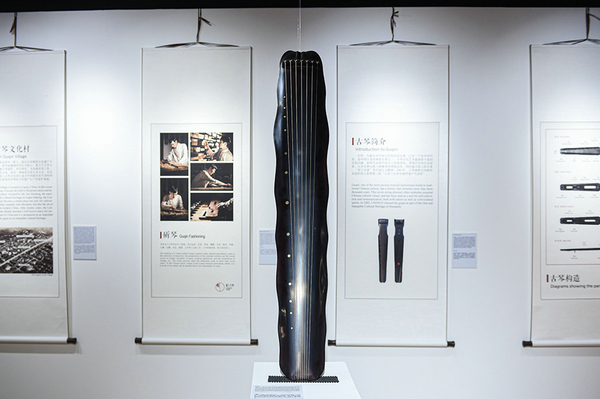
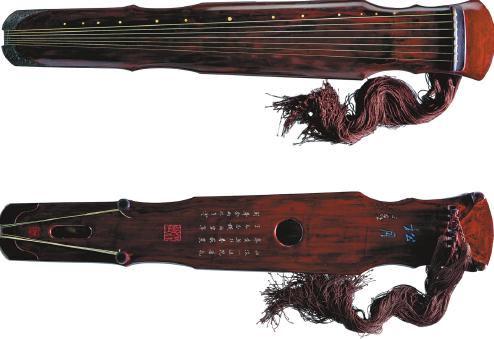
The guqin has seven strings and thirteen marked pitch positions. By attaching the strings in ten different ways, players can obtain a range of four octaves. The three basic playing techniques are known as san (open string), an (stopped string) and fan (harmonics). San is played with the right hand and involves plucking open strings individually or in groups to produce strong and clear sounds for important notes. To play fan, the fingers of the left hand touch the string lightly at positions determined by the inlaid markers, and the right hand plucks, producing a light floating overtone. An is also played with both hands: while the right hand plucks, a left-hand finger presses the string firmly and may slide to other notes or create a variety of ornaments and vibratos.
Nowadays, there are fewer than one thousand well-trained guqin players and perhaps no more than fifty surviving masters. The original repertory of several thousand compositions has drastically dwindled to a mere hundred works that are regularly performed today.





