


Museums cash in on the past
Online and on-site sales for modern products that provide cultural links are on the rise, Xu Lin reports.









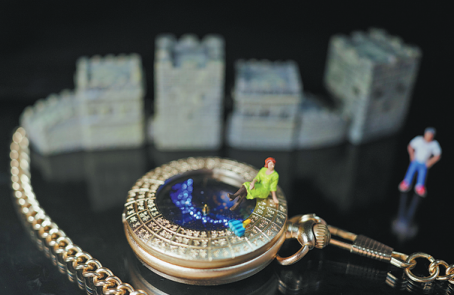
The Palace Museum's pocket watch, inspired by the 24 divisions of the solar year on the Chinese lunar calendar. XU LIN/CHINA DAILY
"The primary goal of museums is to collect objects and present them to the public for the purpose of education. The value of creative cultural products is not about their popularity or profit, but that it serves as a bridge for museums to converse with the public," he says. "The value of creative cultural products lies in that they ultimately help boost the inheritance of Chinese culture."
He presents the Palace Museum as a good example. The museum, also known as the Forbidden City, was China's imperial palace from 1420 to 1911, and used to be forbidden to commoners in feudal times. Now it has successfully promoted its culture and told its stories vividly through its various creative cultural products.
"The success of the Palace Museum helped to propel the development of creative cultural products, with more museums riding the wave in recent years," Liu says.
He recalls that when he first entered the industry over a decade ago, it was hard to explain to others the definition of such products, let alone their benefits. Whereas, today, without additional explanation, almost everyone knows.
"Consumers prefer well-designed and finely-made products," Liu adds. "They used to pay for the added value of such products, but now they're more likely to look at the performance-price ratio."
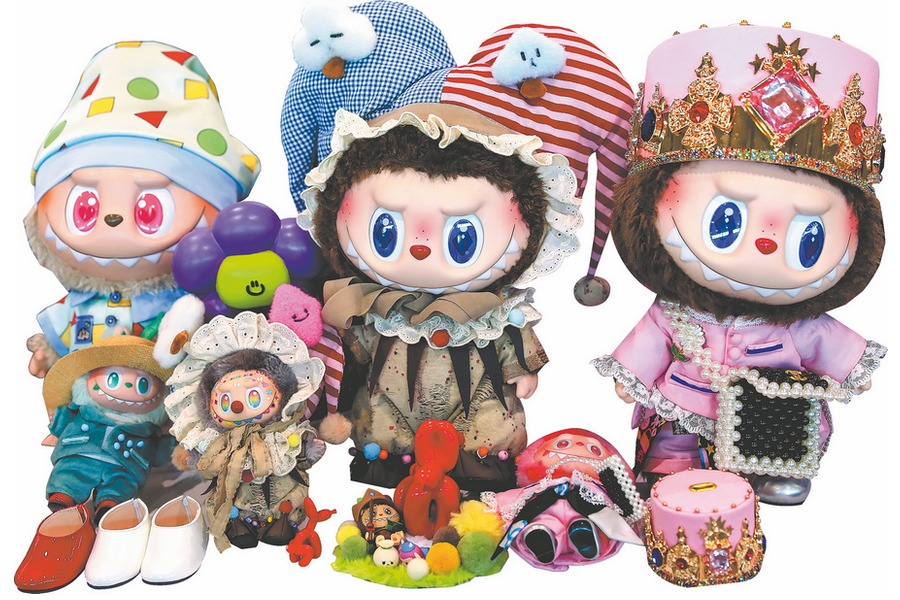
Liu notes that some museums have embarked on crossover cooperations, often with the fast-moving consumer goods industry, to unveil specially-designed creative cultural products, ranging from cosmetics to snacks and clothes.
"It's a mutually beneficial business," Liu says. "For enterprises, their brands already have influence in the market and will have added value due to the cultural element brought by the museums, while the museums will benefit from the sales and marketing strength of these brands to sell their products quickly."
Contact the writer at xulin@chinadaily.com.cn