


A question of culture










Lasting glamour
About 1,000 cultural relics from 140 museums and cultural institutions inspired the producers to design the show.
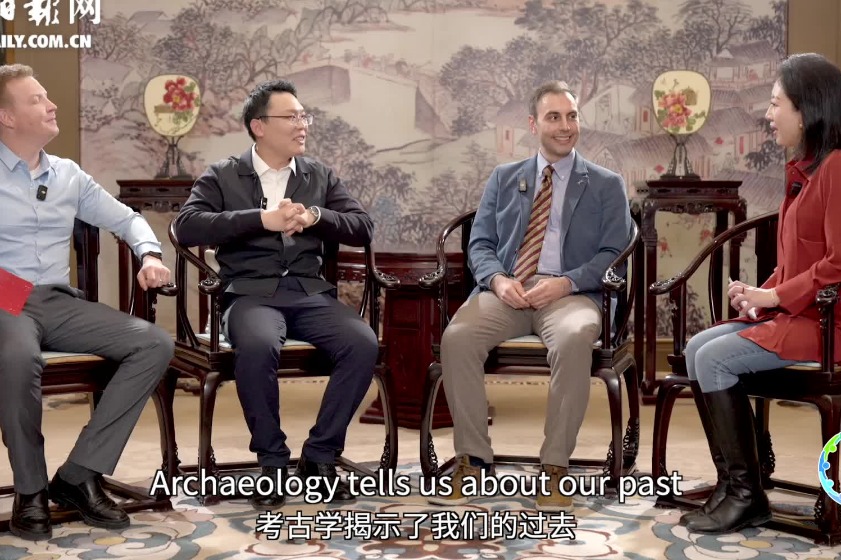
"This is the first time a domestic quiz show is focusing on stories of cultural relics and their relevant knowledge," says Chen Hengting, director of the program.
"Using the 'national treasures' as a platform, we want people to understand the richness and lasting glamour of Chinese civilization."
He adds that achievements of ancient China in politics, economy, culture, social development, legal system, science and technology, medicine, ecology and other fields can be showcased through such relics.
"Many cultural relics in our program are well-known," Chen says.
"But one of our guiding principles is to introduce the lesser-known aspects about them. Exploring the unknown, we can widely spread new knowledge."
Even from one relic, a picture of Chinese culture can be seen from various facets.
For example, nine questions are designed surrounding a famous Han-era brocade piece, which was unearthed from the Niya ruins site in the Xinjiang Uygur autonomous region.
The piece, which was first used as an arm protector, is best recognized for its woven characters, which roughly translates to "five stars rising in the east to benefit China".
Though fans for Chinese archaeology should be familiar with this brocade piece with auspicious patterns, they may still find many surprises when scrutinizing it. Some kaleidoscopic questions about Chinese philosophy, history, traditional crafts, astronomy and other fields are still difficult for the show's contestants.
The public may even raise eyebrows on hearing that a wax printed cloth, excavated from the same site, has a decorative pattern showing a goddess of fertility, a common theme in ancient Greek and Roman artworks, with a cornucopia.
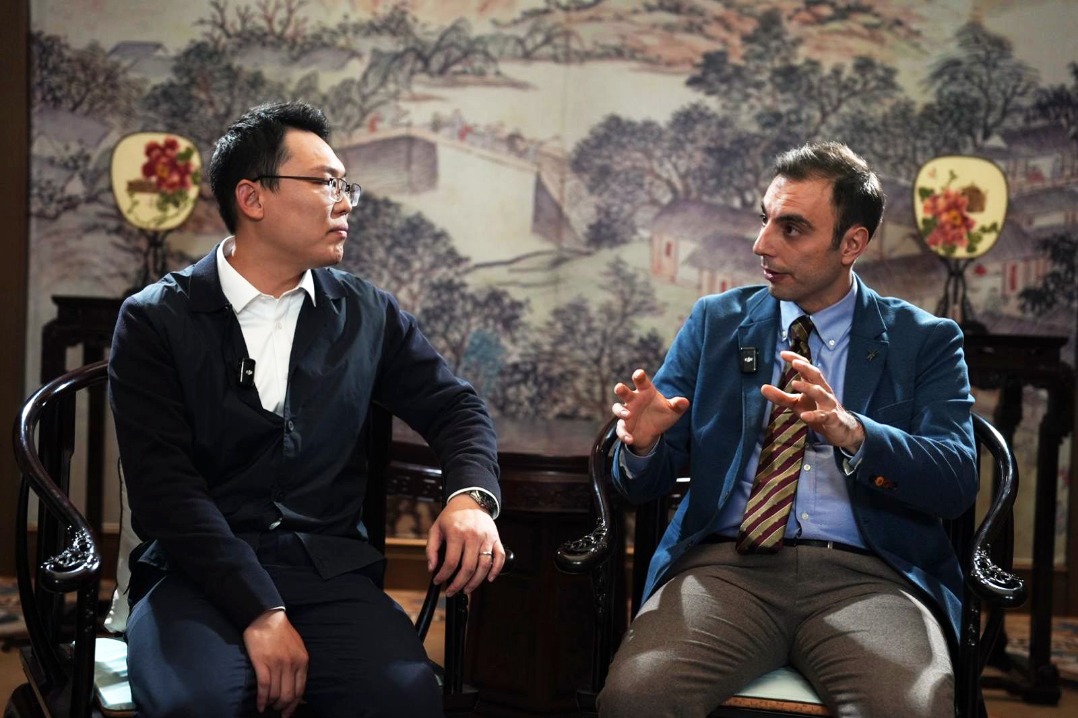
Qi Dongfang, an archaeology professor at Peking University who is a special guest for the program, says the surprising discovery is an evidence marking frequent cultural exchanges along the ancient Silk Road.