



Beijing: A city of progress, with an eye to the past









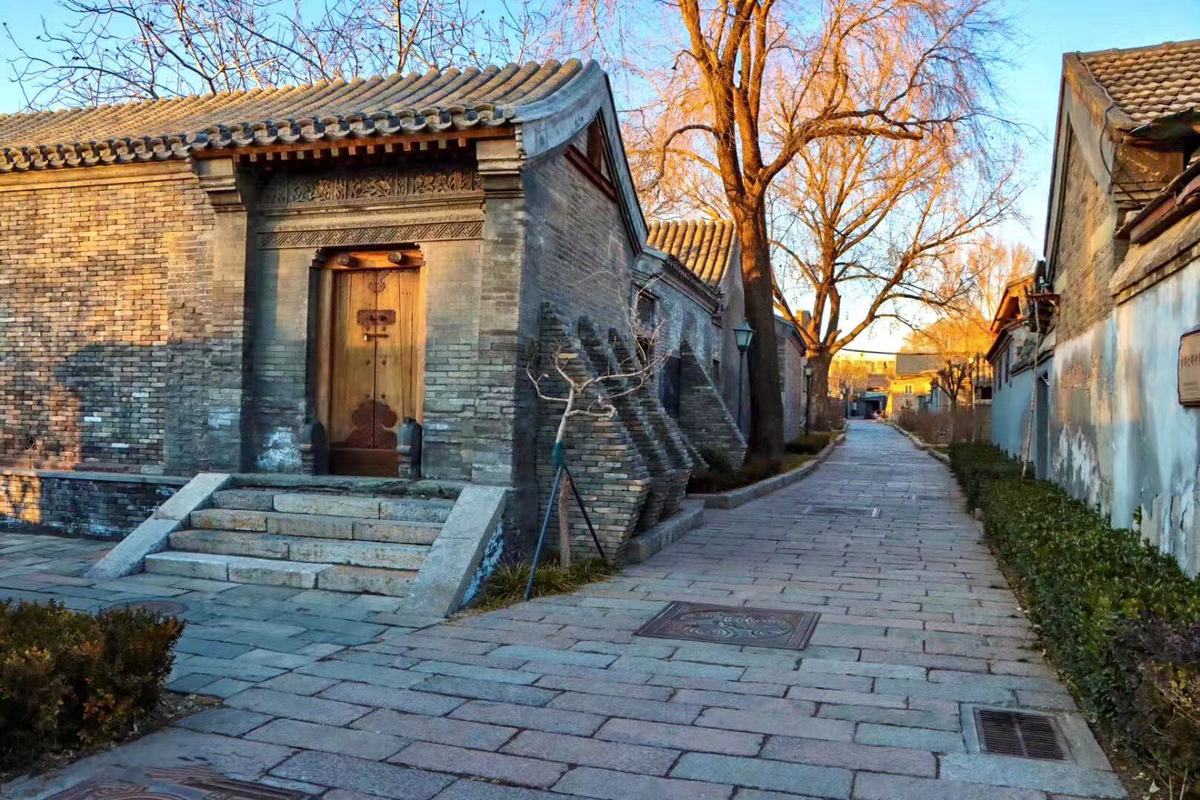
East of Qianmen Street was an equally fascinating area, including West Damochang and Xianyuou Streets. I thought, with its location just south of the former Ming city wall and stretching between Qianmen and the former Chongwen Gate, there were many associated stories. I would come upon guildhalls where traders from other provinces across China once gathered. There were also some grand courtyards. The area had a sense of neglect in comparison, for example, to nearby Dashalar. I wondered if it would survive, as Beijing was increasingly modernizing and such central locations would obviously be prime real estate.
That has not happened. Today, its roughly 58 hectares is at the center of an excellent example of urban regeneration and historic preservation that includes retaining a local population living in a greatly improved environment.
The area has a history going back to the Zhengtong period (1427-1464) of the Ming Dynasty (1368-1644), renowned as a gathering place for merchants and their families. However, through the later years of the Qing Dynasty and much of the 20th century it was overpopulated, with inadequate infrastructure. Extensions from homes encroached onto the alleys, sheds stored coal, abandoned cycles littered the lanes. That is now a thing of the past.
Since August 2016 it has been steadily transformed. A key element has been the 900-meter restoration of the Sanlihe River. A former water channel there had become a ditch, a drainage channel from one of the city's moats close to the former walls at Qianmen. By the early 20th century, its course had been covered over and built up with many small, often unplanned dwellings and warehouses. As part of the current project, a water course was reestablished along the line where the original stream flowed.
Today it resembles a small "water town" within the city. The waters are clean, adorned with lotus ponds that are home to shoals of colorful fish. Wooden pavilions provide restful places overlooking the waters, as do an increasingly popular cafe and nearby teahouse. The area is a joy for walking, photography and appreciating Beijing’s historic heritage.
Close to the river, many alleys have been extensively regenerated and refurbished with updated water, sanitation and electricity facilities, and coal usage has been replaced by gas. The alleys, cleared from the clutter of earlier years have been repaved into pleasant walking areas. Some of the former guildhalls have been renovated, with one kept open for visitors and events.
I delight in taking people through this area, introducing what I feel has become a model in preserving an historic district within a core element of old Beijing. The work is ongoing and I witness on every visit the progress being made.





