Political violence falls in Middle East as living improves









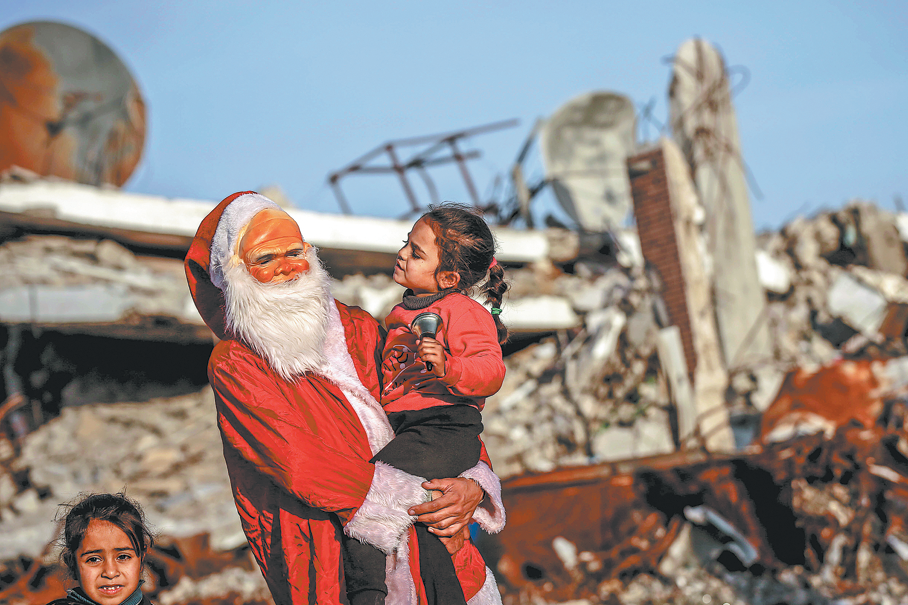
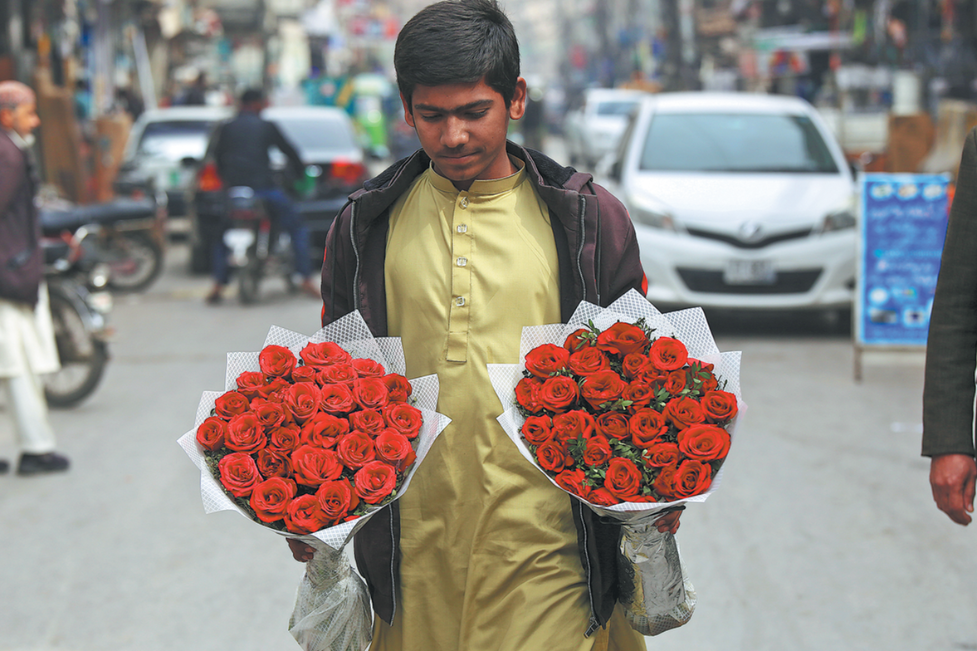
The focus on development and improving people's living conditions in countries of the Middle East and North Africa has helped keep political violence at bay, experts say, making it no longer the region most affected by terrorism.
Manjari Singh, an associate fellow at the Centre for Land Warfare Studies in New Delhi, said countries in the region have realized that "economic diversification is a must" to maintain regional superiority, leading to increasing partnerships with countries such as China through the infrastructure-led Belt and Road Initiative, and a reduction in religious violence in the region.
"Change in the focus toward development is the most important reason why violence over the years has declined in the region," Singh said. Other experts have said poverty relief can help prevent and even root out terrorism.
Since the weakening of the militant group Islamic State, the region's share of deaths from terrorism worldwide has fallen, accounting for only 16 percent of the total last year, behind South Asia and sub-Saharan Africa, according to the Global Terrorism Index 2022, which analyzes 163 countries covering almost all of the world's people.
"I would attribute this decline to a growing sense of hope in the region about the future," said Ebtesam al-Ketbi, president of the Emirates Policy Center, a think tank in Abu Dhabi in the United Arab Emirates. "When countries are seen making efforts to improve the conditions of their people, extremist elements that thrive on deprivation lose ground."
The focus on development has also led to the signing of various peace accords such as the Abraham Accords brokered by the United States in September 2020 or the fact that Saudi Arabia and Iran have engaged in talks that earlier were almost impossible, Singh said.
Deaths as a result of terrorism in the Middle East and North Africa accounted for 39 percent of such deaths between 2007 and 2021.Global deaths from terrorism fell 1.2 percent to 7,142 deaths last year and are now a third of what they were at their peak in 2015, according to the Global Terrorism Index, now in its ninth year, which is produced by the Institute of Economics and Peace in Sydney. The institute is funded by the Australian IT entrepreneur Steve Killelea.
However, the report said that despite the fall in deaths globally, there were 5,226 terrorism-related attacks last year, compared with 4,458 in 2020, a rise of 17 percent, the highest number of attacks since 2007. This, it said, is largely due to violence in the Sahel region in Africa and instability in countries such as Afghanistan.
'No collective sense'
Despite the improvement overall, Ramazan Erdag, professor in the Department of International Relations at Eskisehir Osmangazi University in Turkey, said the world "has not achieved a collective sense of security here".
No common position has been adopted in the fight against terrorist organizations, such as those from northern Syria threatening Turkey, he said.
Most terrorist activity globally "was concentrated in Iraq and Afghanistan in response to the US and its allies' activities" between 2007 and 2008, the report said.
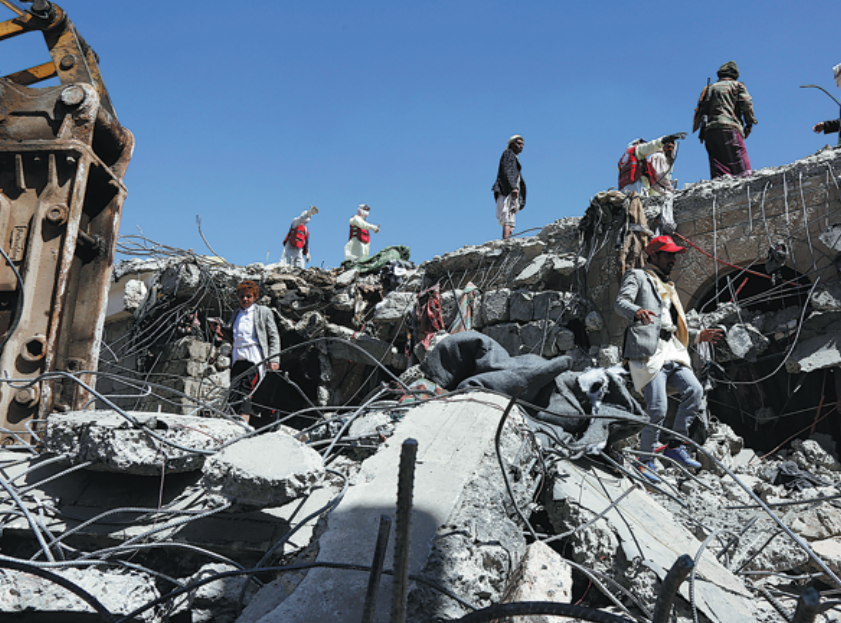
After mass protests in 2011 commonly called the "Arab Spring" and the emergence of the Islamic State, there was a surge in terrorism across the Middle East, the study said, most notably in Syria and Iraq and concurrently in Nigeria. The Arab Spring was a series of anti-government demonstrations in countries including Bahrain, Egypt, Libya, Morocco, Syria and Tunisia.
"Terrorism is most often the outcome of circumstances in countries where (terrorist elements) thrive," al-Ketbi said. "External factors often fuel it. This happened in Iraq following the US-led invasion and, to some extent, with foreign players influencing the conflict in Syria and Libya. The Arab Spring allowed some extremist elements to exploit these circumstances."
Internal military intervention to fight against Islamic State and the fallout from the Arab Spring were responsible for the surge of terrorism in the region, Singh said, adding that while Islamic State was unleashing terrorism in the region, states and international alliances failed to end and in fact furthered violence, causing many people to be displaced.
Erdag said: "The important lessons to be learned here are that terrorism has no religion, sect or gender, that terrorist attacks target all humanity, that all terrorist acts should be reacted to in the same way, and that a collective understanding of security should be assured."