Africa needs to promote its 'blue economy'









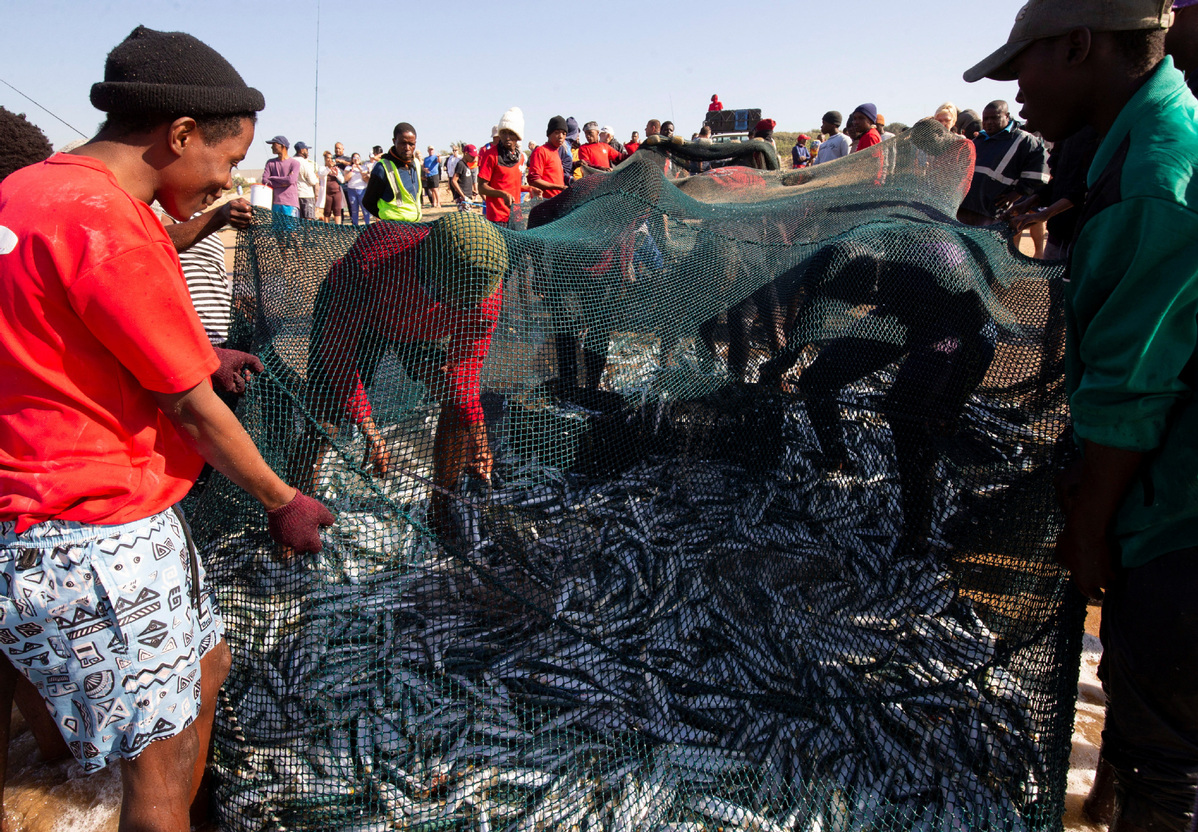
In Africa, the "blue economy"-the sustainable use of ocean and coastal resources to improve livelihoods and employment-is one of the most untapped sources for fueling economic growth and development.
Yet 64 percent of the continent is covered by freshwater bodies and ocean ecosystems, and 38 out of the 55 African Union member states are coastal or island states, according to the AU Commission.
On the other hand, some of these African countries with access to freshwater bodies such as rivers and lakes are on the verge of experiencing humanitarian catastrophe emanating from climate change-related issues such as famine.
For instance, the International Rescue Committee said in a recent report that over 14 million people in Kenya, Ethiopia and Somalia are on the verge of starvation, and about half of them are children. Furthermore, it estimated that the number could rise to 20 million soon if the lack of rain continues, because most of these countries depend on agriculture.
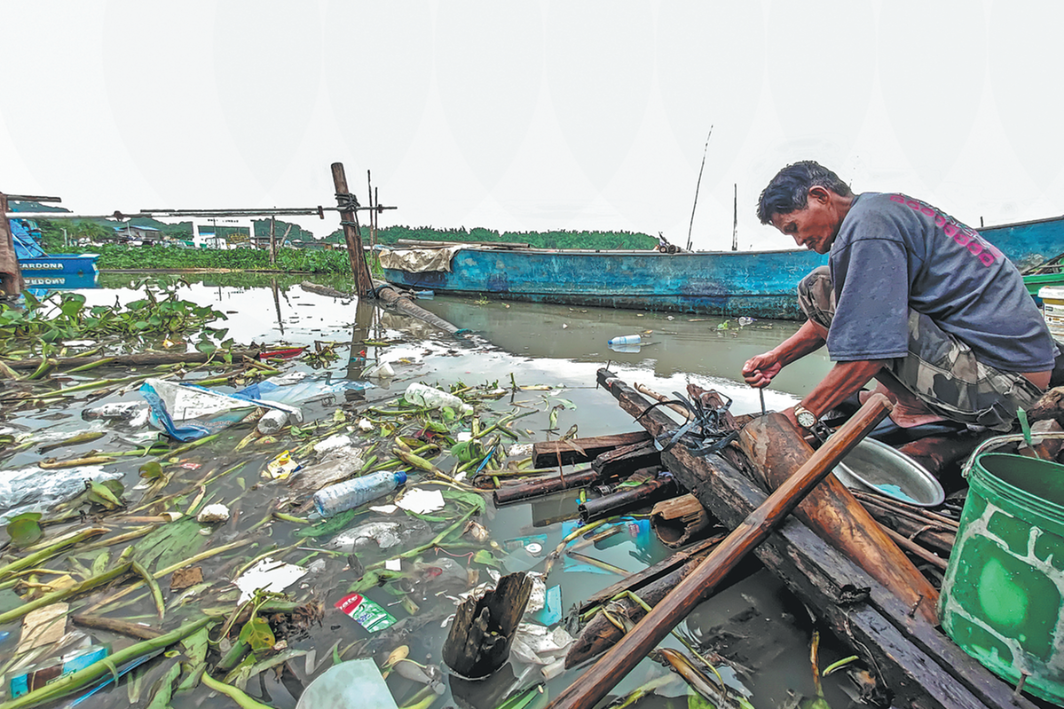
The continent has not yet deployed sufficient technological infrastructure to tap into the blue economy and freshwater resources as a potential source of nutrition and food security.
Knowing the challenges posed by the underuse of Africa's blue economy, the African Union Commission, at the recently concluded United Nations Ocean Conference in Lisbon, Portugal, co-organized a side event bringing together major stakeholders driving continental, regional and subregional policy in Africa. The participants discussed Africa's needs pertaining to blue economic development and identified areas of intervention where actions and partnerships can support tangible ocean commitments.
Amartya Sen, an Indian economist and philosopher, argued in his 1999 book Development as Freedom that development by its nature enhances freedom. Thus, as a developmental approach, the blue economy has become an integral part of the African Union's Agenda 2063, which is Africa's blueprint for transforming the continent into a global powerhouse of the future.
Indeed, freedom is coming to Africa, as most optimists would say, but the realization of this freedom rests on an African proverb that says, "If you want to walk fast, walk alone. But if you want to walk far, walk together."
As a continent, we have partners who have and are willing to walk with us to boost our technical and technological capacity and enhance purpose-led innovation and inclusive initiatives to promote a sustainable blue economy in Africa. China has been that friend/partner and has been closer than a brother.
Since 2000, through the Forum on China-Africa Cooperation and the Belt and Road Initiative, Beijing has deployed its resources and skills to transform Africa's weak infrastructure into one that is currently envied by many.
As a country of 1.4 billion people, China has been able to tap into its blue economy to ensure food security for its people through providing "blue food" (the harvesting of seafood and marine plant organisms), boosting "blue tourism", creating avenues for new renewable energy sources, and offering reliable sea trade routes. This has enabled the blue economy to integrate with other sectors of the economy.
Regarding the development of institutional frameworks, the blue economy for accelerated economic growth in Africa is covered at the continental level, for example, by the African Union's Agenda 2063.However, most of these frameworks need to be integrated with national and subnational initiatives. Thus, if properly implemented, the continent will be able to curb the issues of illegal fishing and pollution and ensure that the marine ecosystem is protected.
In China, the government has provided policy guidance and assistance for the development of the blue economy, with the central and municipal governments sponsoring local initiatives. This is fully demonstrated by the establishment of the Shandong Peninsula Blue Economic Zone.
Africa can also benefit from the creation of blue economic zones, knowing that the global market for marine biotechnology, according to the United Nations Economic Commission for Africa, is expected to reach $5.9 billion by the end of the year.
Africa is at a crossroads. The socioeconomic impacts of the COVID-19 pandemic have disrupted the progress of the African Renaissance dream. Nevertheless, the blue economy has the potential to enhance food security, employment and innovation, and it will indeed play a major role in Africa's structural transformation and offer tangible solutions for a post-pandemic economic recovery strategy.
The author is executive director of the China-Africa Center at the Africa Policy Institute in Kenya.