


Plucking at the strings of the nation's heart









Family tradition
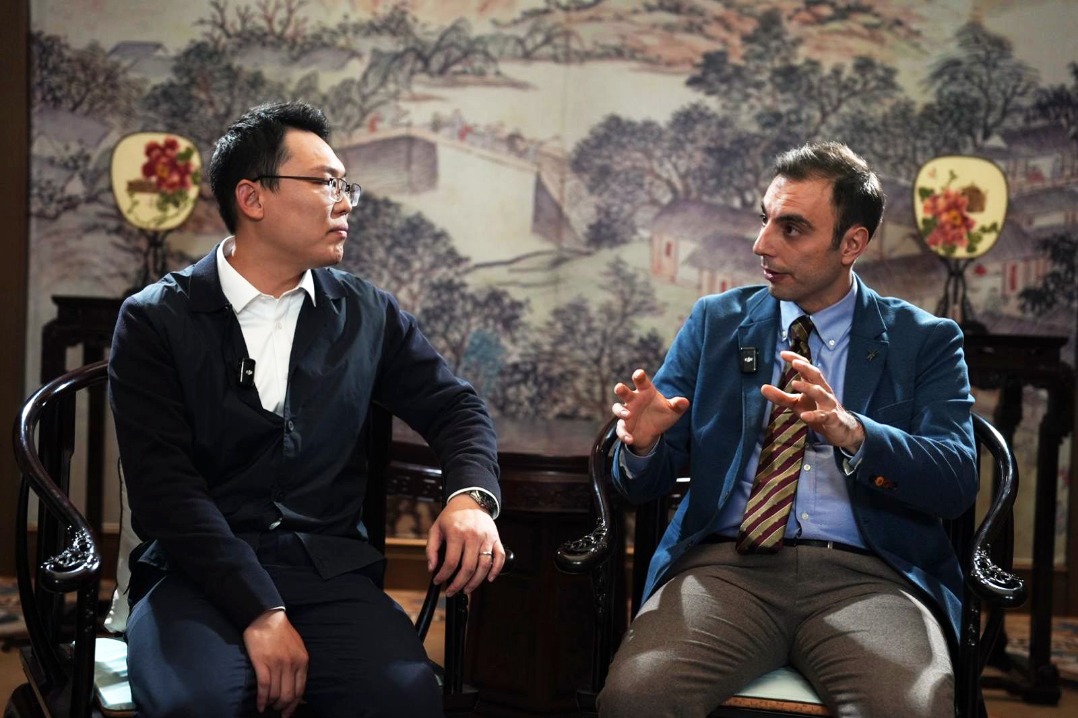
Wu, born in Changshu, Jiangsu province, learned to play the guqin with his father, Wu Jinglue (1907-87), who was also a guqin master and founded the guqin music school of the Wu family.
Wu Wenguang graduated from the China Conservatory of Music and the Chinese National Academy of Arts before he went to the United States to study musicology at Wesleyan University with a full scholarship from 1985 to 1990. Since returning to his home country, Wu Wenguang has been teaching at the China Conservatory of Music.
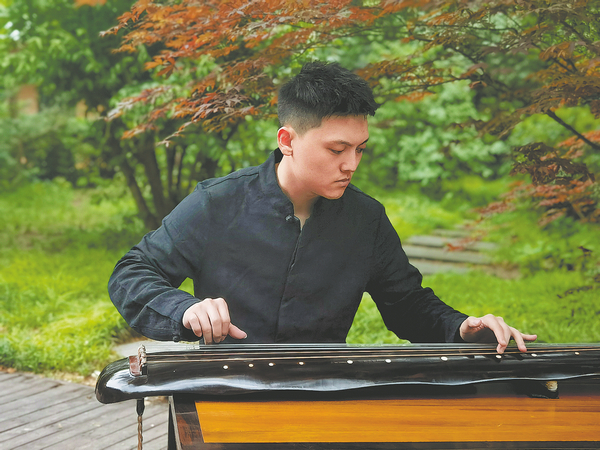
"My father, once a member of a guqin troupe in Shanghai, devoted his life to the instrument, which naturally influenced me. I am the second generation of my family keeping on the tradition of playing and promoting the instrument and my daughter is the third generation," says Wu Wenguang, adding that there are many different guqin schools in the country, which keep the ancient instrument alive.
One of the key factors of the revival of the instrument is tablature. According to Wu Wenguang, traditionally, guqin music is written in abbreviated characters that indicate how to use the hands and interact with the seven strings. This is unique compared to Western music. In guqin music, there's no obvious rhythmic indication, which is like poetry — we are given the words but there are no instructions on how fast or slow to read the poem.
"There are about 3,000 ancient songs in guqin's repertoire. Different performers can have different interpretations," says Wu Wenguang, who, along with his father, has re-created over 100 ancient scores. For example, they have recovered all of the scores collected in a guqin handbook, titled Shenqi Mipu ("marvelous secret music score"), which included 64 music pieces and was compiled by Zhu Quan — one of the sons of Zhu Yuanzhang, founder of the Ming Dynasty (1368-1644).
Besides ancient guqin songs, Wu Wenguang has also adapted contemporary music works into his performances, which has helped expand the repertoire.
Wu Ye, daughter of Wu Wenguang, is carrying on the family tradition of playing the instrument and is keen on composing new music for the instrument.
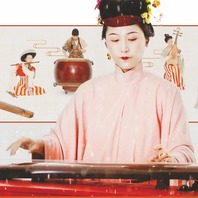
"Guqin playing was developed as an elite art form and now it has gained a popularity among young people with a new wave of interest in the nation's traditional culture and the government's efforts to promote this," she says.
Since 2020, she has initiated and organized a series of guqin concerts. With different themes, the concerts appealed to a young audience. The latest concert was held on May 20 in Beijing.