US allies in region skip NATO event
Experts cite unease over Trump's defense spending demands, geopolitical tensions









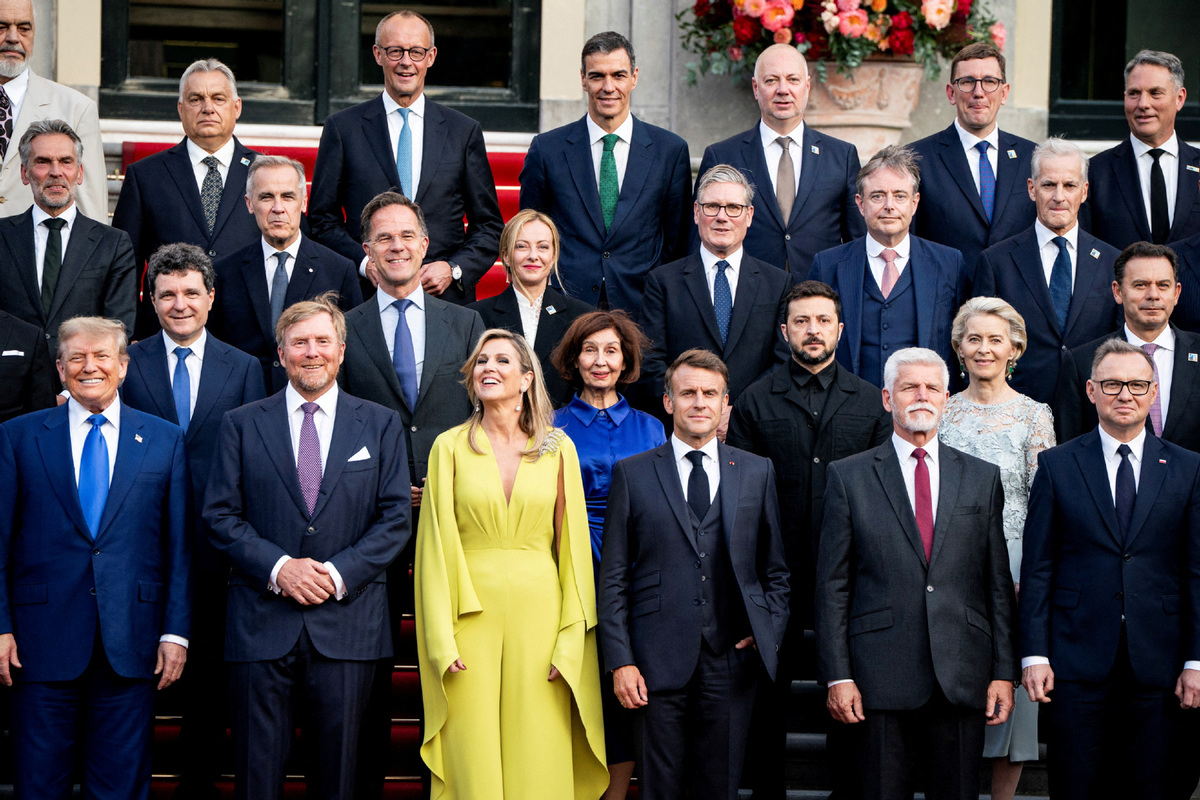
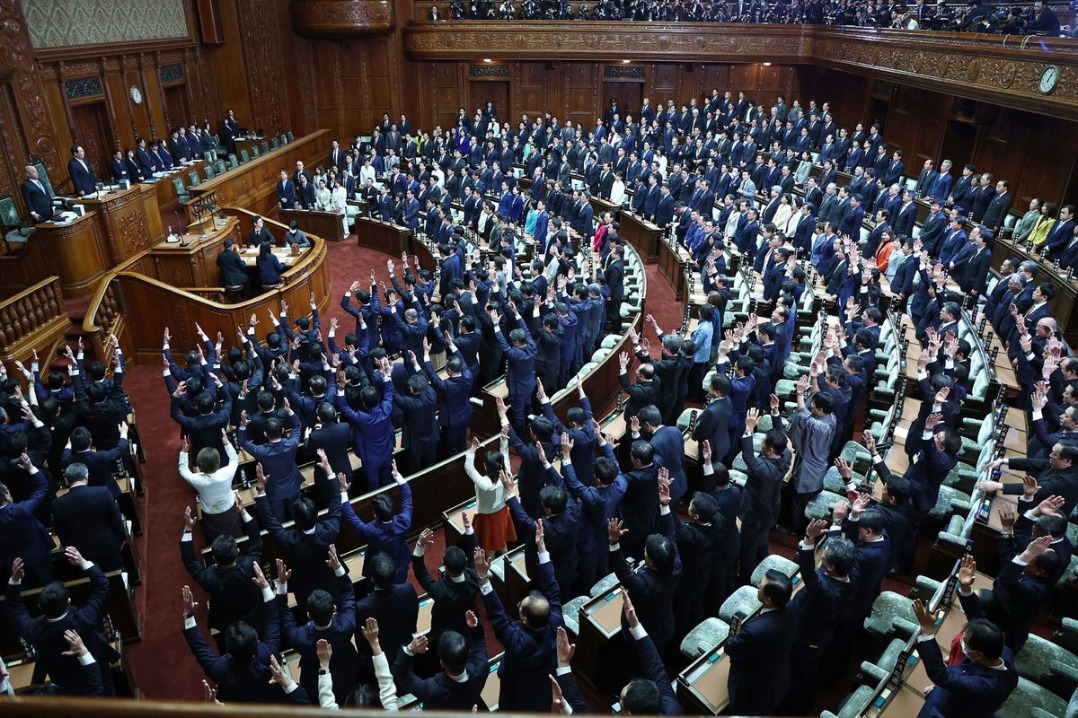
The absence of leaders of Japan, South Korea and Australia at this week's NATO summit may have somehow reflected unease over the United States' demands on allies to increase defense spending, as well as strained trade ties and concerns over Middle East tensions, experts say.
Japanese Prime Minister Shigeru Ishiba canceled plans to attend the NATO summit in The Hague on Tuesday and Wednesday, the Foreign Ministry in Tokyo announced on Monday.
Broadcaster Fuji Television said Ishiba canceled the trip partly because a meeting between NATO and four key US allies from the Asia-Pacific region — Japan, South Korea, Australia and New Zealand — was not likely to take place, and because a meeting with US President Donald Trump was also unlikely.
The decision also came after the US joined Israel's airstrikes against Iran.
Prior to Japan's announcement, South Korea and Australia had also said their leaders would not attend the NATO summit.
As the prospects of securing a meeting with Trump were uncertain, Australian Prime Minister Anthony Albanese spared any potential blushes by skipping the trip to The Hague this week, said Warwick Powell, adjunct professor at Queensland University of Technology and former policy adviser to former Australian prime minister Kevin Rudd.
"That said, this comes at a very difficult time for Australia-US relations," Powell told China Daily.
Despite running a trade deficit with the US, Australia is facing a 25 percent tariff on its steel and aluminum exports to the US as well as a 10 percent baseline tariff by the US.
In addition, "the illegal US bombing of Iran and its ongoing support of Israel's genocide in Gaza has placed the Australian government in an invidious position: publicly support the US or support international law," Powell said, while noting that the AUKUS review announced by Washington raises further doubts as to the long-term reliability of the security partnership arrangement between Australia, the United Kingdom and the US, or AUKUS.
The decisions by South Korea and Japan to skip the NATO summit at the leader level reflected unease over the Middle East situation, said Mason Richey, professor at the Graduate School of International and Area Studies at the Hankuk University of Foreign Studies in Seoul.
It also reflected "some concerns about publicly engaging with Trump" on the US demand for allies to raise defense spending, Richey told China Daily.
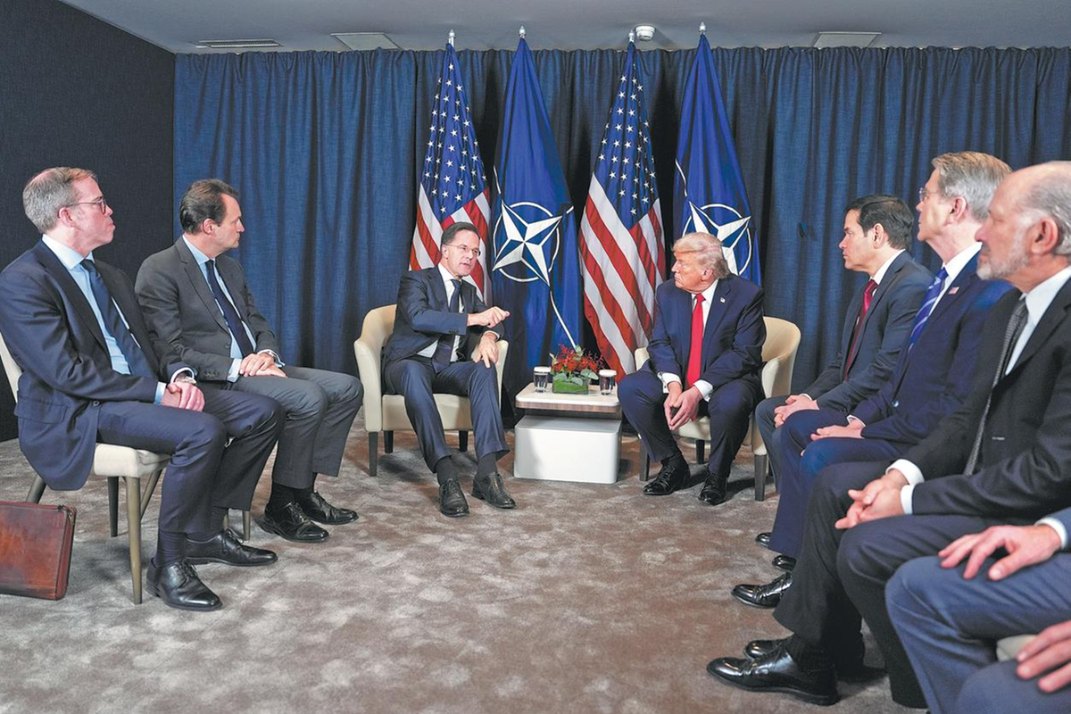
The summit and its final statement will be focused on heeding Trump's call to spend 5 percent of GDP on defense — a significant jump from the current 2 percent goal.
Avoiding conflict
"Both Japan and South Korea are against raising defense spending to 5 percent of GDP, and will try to adopt strategies to avoid conflict with Trump over this issue," said Richey, noting the two countries are interested in ensuring current and future military spending is used efficiently and intelligently rather than simply expanding budgets.
Lee Sang-ho, professor of political science and diplomacy at Daejeon University in South Korea, said the absence of the South Korean leader is mainly due to domestic strains.
Though Japan and Australia may not be happy with the US tariff policies and its involvement in the Middle East, Lee, who is also president of The Korea Association of National Intelligence Studies, told China Daily that it is not enough reason to skip the summit. It is likely these countries will try to hold separate talks with the US, Lee told China Daily.
Christopher Johnstone, a former White House official now with the Asia Group strategic consultancy, told Reuters that the absence of the three leaders signaled, at least for now, a symbolic breaking of the connection between security in Europe and the "Indo-Pacific".
It is probably the case that all three leaders see little benefit to joining a meeting that will feature intensified US pressure on allies to increase defense spending, he said.