


Rickshaw Boy makes a resounding comeback on stage









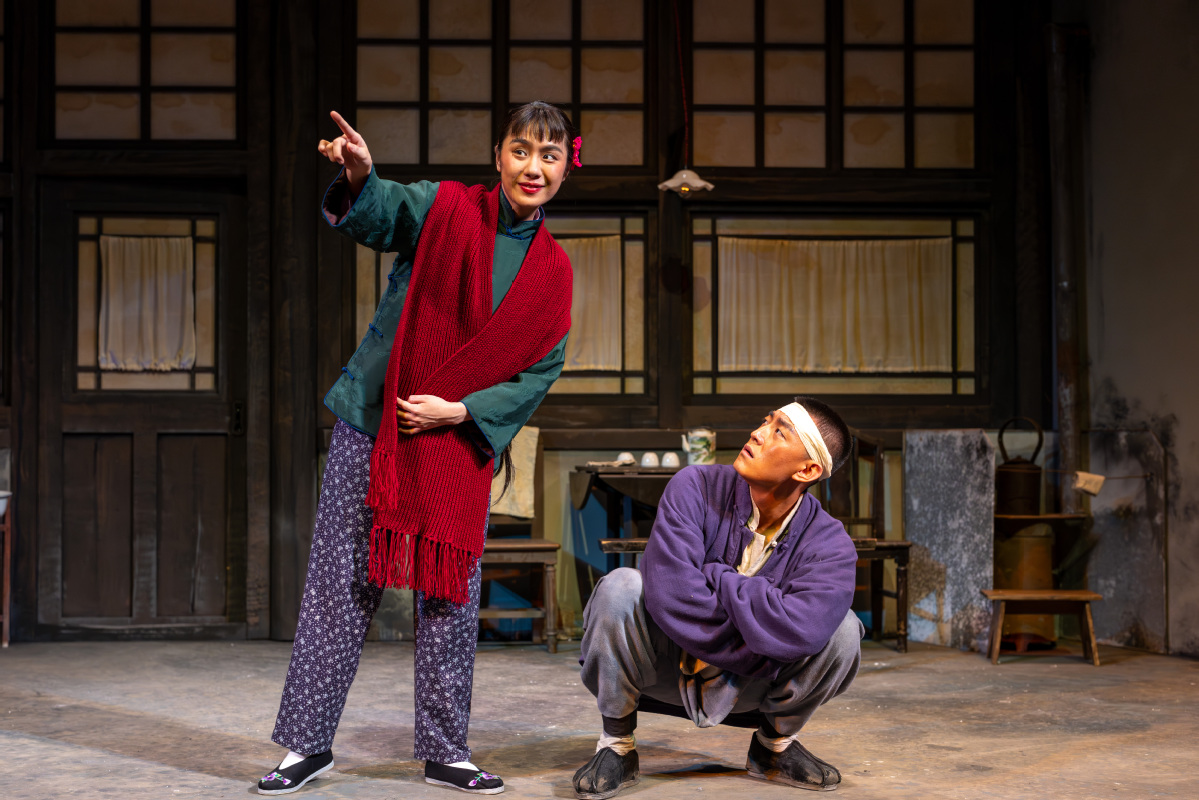
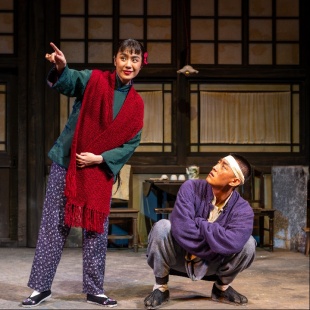
The re-staging of Rickshaw Boy, one of the classic theatrical productions by Beijing People's Art Theatre, premiered at the Capital Theatre on Friday and will run till Aug 3.
Scene after scene unfolds with the crisp sound of camel bells mingling with the street sound of old Beijing. As daylight fades and the once-lush tree withers, a year or two on stage condenses the bitter and sweet experiences of the underprivileged characters in the old era.
In 1957, the Beijing People's Art Theatre premiered Rickshaw Boy, adapted from the novel of the same name by Lao She (1899-1966). The production, adapted and directed by Mei Qian, brought to life Xiangzi, a rickshaw puller in the 1920s Beijing, who dreams of owning his own cart and living with dignity. But one misfortune after another — betrayals, death, exploitation — slowly crushes him.
The 1957 production is widely regarded as one of the defining works that helped establish the theater's realist style in its formative years. It played a pivotal role in shaping the artistic identity of the Beijing People's Art Theatre and holds a significant place in the history of modern Chinese drama.
According to Feng Yuanzheng, president of the theater, the re-staging of Rickshaw Boy stays loyal to the version in 1957 in meticulous detail: the same set design, costumes, script, and even the cadence of Beijing dialect as it was spoken on that 1957 stage.
Featuring young cast members of the theater company, the re-staging of the play is part of its latest initiative, the Classic Revival Plan, aimed at reviving and adapting some of its most iconic works.
Actor Yu Zhen, who once played the role of Xiangzi, took on the role of revival director this time, passing on all his experience.
"This play doesn't rely on form — it depends entirely on the interaction between the actors. That means the performers must have their lines thoroughly memorized, grasp the characters' psychology with precision, and work together in perfect sync," he says.
The theater arranged for two separate casts to alternate in the roles of Xiangzi and Huniu during the performances. This helps nurture emerging talent. Each group of actors brings their own traits and interpretations, breathing unique life into the characters.