Sharing pain
Bangladeshi US retailers lean on suppliers to bear portion of tariffs









Editor's note: In this weekly feature China Daily gives voice to Asia and its people. The stories presented come mainly from the Asia News Network (ANN), of which China Daily is among its 20 leading titles.
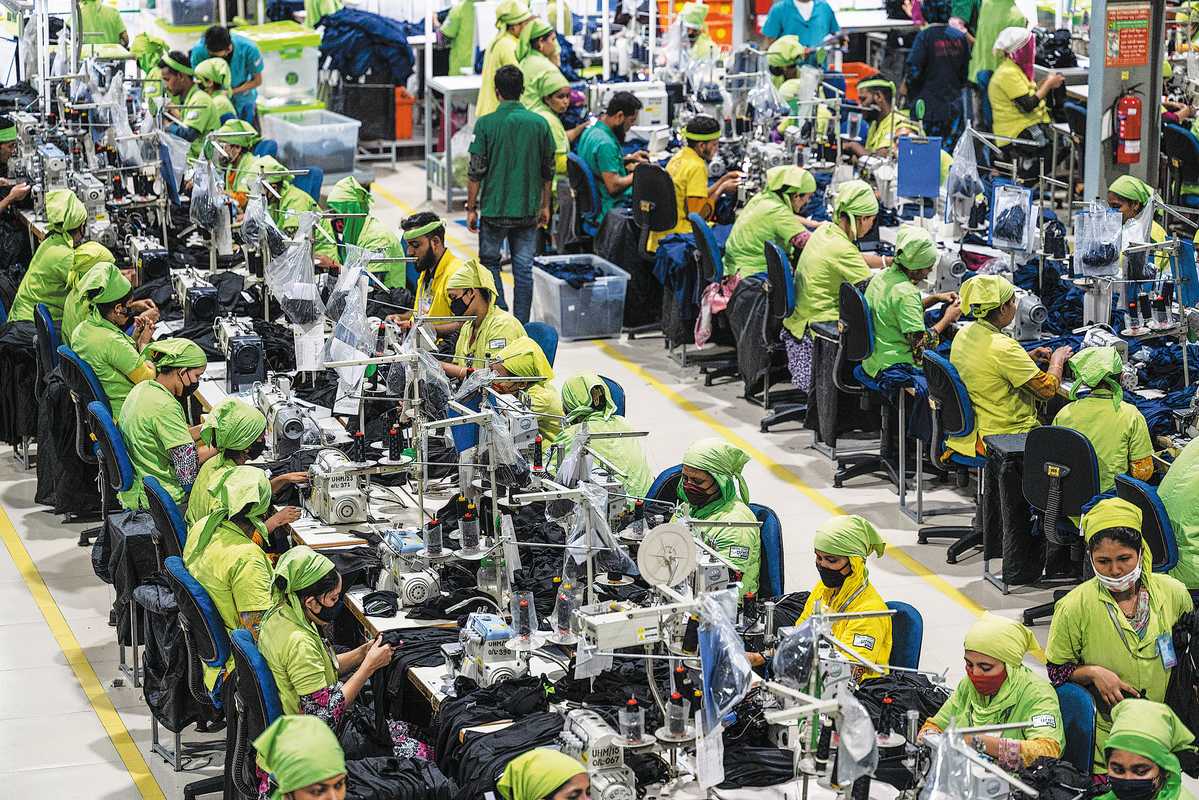
Clothing brands and retailers in the United States are pressing their Bangladeshi suppliers to absorb a portion of new tariffs levied by the US, squeezing the already thin margins of garment exporters.
The new tariffs, effective from Aug 7, come on top of existing duties, creating a complex and costly environment for exporters and importers. For many common apparel items, the effective tariff rate will now surge to 36.5 percent, combining the new 20 percent levy with an existing 16.5 percent duty.
US President Donald Trump's tariff regime has triggered a behind-the-scenes struggle over who will ultimately bear the financial burden. Rather than absorbing the cost or immediately passing it on to consumers, many US apparel retailers and brands have turned to their suppliers in Bangladesh, demanding they share the pain.
This pressure campaign, unfolding in private negotiations, has placed Bangladeshi exporters in a tight spot, Bangladeshi newspaper The Daily Star said.
The requests from US buyers are not subtle. Across the industry, Bangladeshi garment manufacturers are systematically asked to absorb a portion of the new tariff costs by reducing their prices, according to several leading exporters. Some retailers asked for adjustments equivalent to a quarter of the new cost.
This move mirrors the strategy employed by buyers when a preliminary 10 percent baseline tariff was introduced on April 9. That levy, now replaced by the new 20 percent rate, also saw retailers successfully push suppliers to share the cost.
"We have little to say and many of us have been accepting the buyers' demand, although the profit is squeezed to 3 to 4 percent. We are against the wall," said Abdul Kader Azad, chairman of Ha-Meem Group, a major apparel supplier to the US.He said some buyers are demanding both a share of the tariff cost and a general price reduction.