



African govts expand school meal programs in SSA, MENA regions









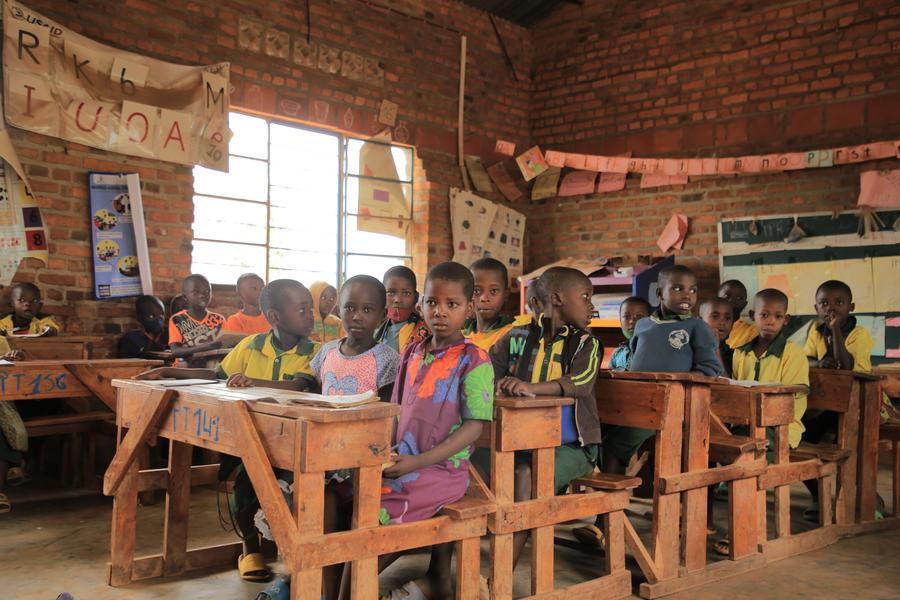
Governments across Sub-Saharan Africa and Middle East and North Africa or MENA regions are expanding school meal programs, marking a shift from dependence on foreign aid to recognizing school feeding as strategic public investment in education, health and national development.
The latest edition of the State of School Feeding Worldwide report, released on Wednesday by the World Food Programme, indicated that the number of children receiving school meals in Sub-Saharan Africa rose by more than 30 percent, from 66 million in 2022 to 87 million last year.
Countries such as Chad, Ethiopia, Madagascar and Rwanda recorded some of the fastest growth, with the number of pupils receiving school meals increasing by up to sixfold.
In countries such as Benin, Botswana, Burkina Faso, Eswatini, Lesotho, Namibia, Rwanda and Zambia, school meal programs are mainly funded through national budgets.
Ethiopia and Burundi have doubled and tripled their respective contributions since 2022, while still receiving some external support.
"We are proud that the majority of school meal programs are funded through domestic budgets. WFP is dedicated to helping national governments expand state-funded school meals, ensuring that no child is left behind," Margot van der Velden, WFP's regional director for West and Central Africa said.
"We need to work together with partners and communities in feeding the future of our children, giving them the chance to grow and thrive."
Eric Perdison, WFP's regional director for Eastern and Southern Africa, said a meal at school represents far more than just food.
"It is also an investment in the family, the community, and ultimately a country's future. Sourcing food locally provides healthy, culturally-appropriate meals for children, while supporting smallholder farmers, driving economic growth and national development," he said.
In the MENA region, the number of children benefiting from national school meal programs increased by 22 percent in the past two years alone, despite conflict, economic downturn and the region's complex humanitarian landscape.
According to WFP, school meals often serve as the only reliable source of nutrition for children and provide a vital incentive for school attendance in countries affected by conflict.
Globally, school meal coverage has reached 466 million children, up nearly 80 million from 2020, while funding has nearly doubled to $84 billion with 99 percent coming from national budgets.
This underscores government's strong investment in these programs and the children's future.
The report comes ahead of the School Meals Coalition Global Summit, scheduled for Sept 18-19 in Fortaleza, Brazil, where leaders will gather to accelerate progress and address funding gaps in low-income countries.










