China's economy gradually stabilizing: economist


BEIJING - Supported by supply-side structural reform and positive changes in economic dynamics, China's economy is heading toward stabilization, a Chinese economist said Tuesday.
Despite headwinds at home and abroad, China's economic growth has remained in a reasonable range this year, paving the way for further stabilization, said Wang Yiming, deputy director of the development research center of the State Council.
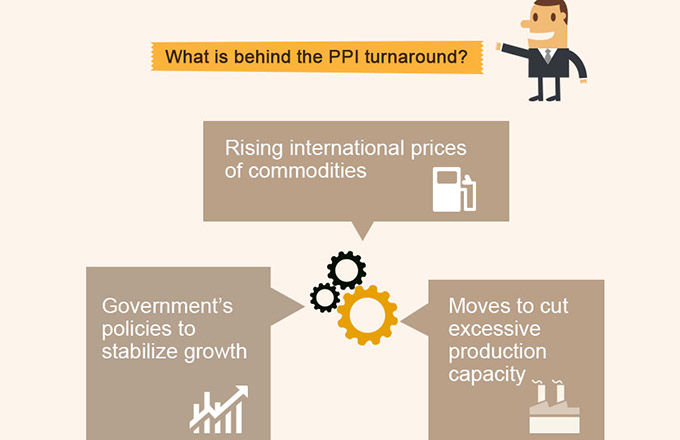
In an exclusive interview with Xinhua, Wang said the Chinese government's supply-side structural reform has lifted market expectations and confidence, eased deflation in the domestic production system and improved industrial profits.
China's GDP grew 6.7 percent in the first three quarters of 2016, steady with the first half and within the government's target range of between 6.5 and 7 percent for 2016.
Wang noted that the government has been successful in turning domestic consumption and the service industry into key drivers of economic growth, while traditional sectors such as the coal and steel industries, after restructuring and transition, are witnessing new growth momentum.
However, he said next year China will still face a complicated external environment with a slow recovery in global economy and weak trade, while domestically there is still pressure for an economic slowdown.
To help the economy bottom out, China should stick to the strategy of making progress while maintaining stability and adopt a policy mix that moderately expands domestic demand, presses ahead with supply-side structural reform and stabilizes market expectations, he said.
Wang also warned that China should particularly pay attention to risks in the real estate sector and the financial industry.
He pointed out that low investment returns in the real economy and easy credit have triggered excessive growth in property prices in China's first-tier cities and some second-tier ones and attracted too many financial resources to the real estate sector.
Meanwhile, the over-reliance on credit expansion to support growth has pushed up leverage ratios in the banking system, he added. It also has brought trouble to less profitable enterprises with high debt and higher non-performing loan ratios to commercial banks.
He said the government should move to prevent these risks from accumulating and spreading and gradually release them while pushing forward structural reform, said Wang.