Mixed economic prospects in store


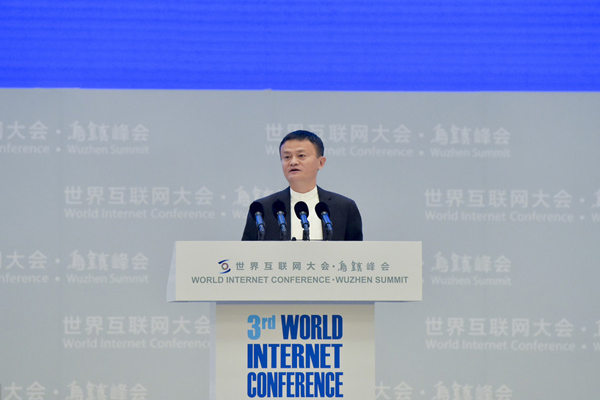
Yao Yang, dean of the National School of Development at Peking University, shared with China Daily his view of China's economy in 2017.
With some recent upticks such as retail sales data, how far do you see the stabilizing trend, considering external uncertainties?
I'm expecting the good trend to be sustained next year. China is still at the bottom of a six-year business cycle. The six-year slowdown that China experienced after the 1997 Asian financial crisis was a symptom of precisely such a cycle. As long as we keep up with the reform agenda, the economy is expected to bottom out. On external situations such as the new administration in the United States, I would say the US would be more willing to see a warming up trend of the Chinese economy rather than slowing down. To make it simple, Chinese consumers have a greater appetite for US products when they find themselves with rising purchasing power. Compared to external uncertainties, China should be more focused on resolving domestic challenges.
The Central Economic Work Conference which closed on Friday listed five major tasks to be accomplished, including cutting overcapacity, destocking, deleveraging, lowering costs and improving weak links. Which one is the hardest task?
Great progress has been made in cutting overcapacity this year and targets set at the beginning of this year in steel and coal sector are expected to be achieved on schedule. But deleveraging and cutting down property inventories saw slow progress. These two will be two hard nuts to crack next year.
What is the key to see major progress in implementing the above two mentioned tasks? Do you have any suggestions?
The key is to restore market confidence. The central government issued a number of guidelines this year. Strong incentives and clear policy signals from the government would help encourage market players to follow guidelines that have been issued in the past.
One example is the guidelines on debt-to-equity swaps issued in October, with which the State Council encouraged lenders to swap loans for equity. It might be a good solution, but banks lack motivation to participate, considering bad debt may end up with bad equity if enterprises fail to see an improvement. So it might be a better idea to give clear incentives to banks, say, 20 percent of bad loans are allowed to be written off if an enterprise fails completely.
On the stockpiling of unsold homes, I think the government has enough to choose from its policy toolkit. For example, local governments are able to issue bonds to help fund housing assistance for low-income people in rural areas, either by lowering interest rates or offering cash assistance. Lowering housing stockpiles can be achieved alongside the nation's urbanization process. The key is to ensure transparency.