A treasure trove of artifacts
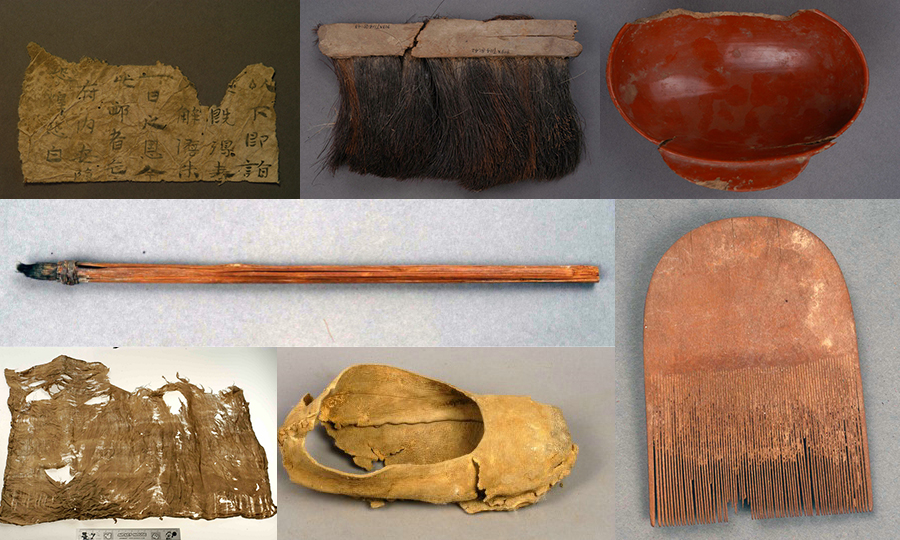
More than 35,000 wooden and bamboo slips were unearthed from the Site of Xuanquanzhi. Among them around 23,000 bear characters, and scholars have identified 18,000 of these.
The slips unearthed from the Xuanquanzhi Ruins span 218 years, with the earliest written in 111 BC and the latest in 107 AD. They contain an ocean of information, including politics, economy, military affairs, culture, nationality, society and daily life on the border.
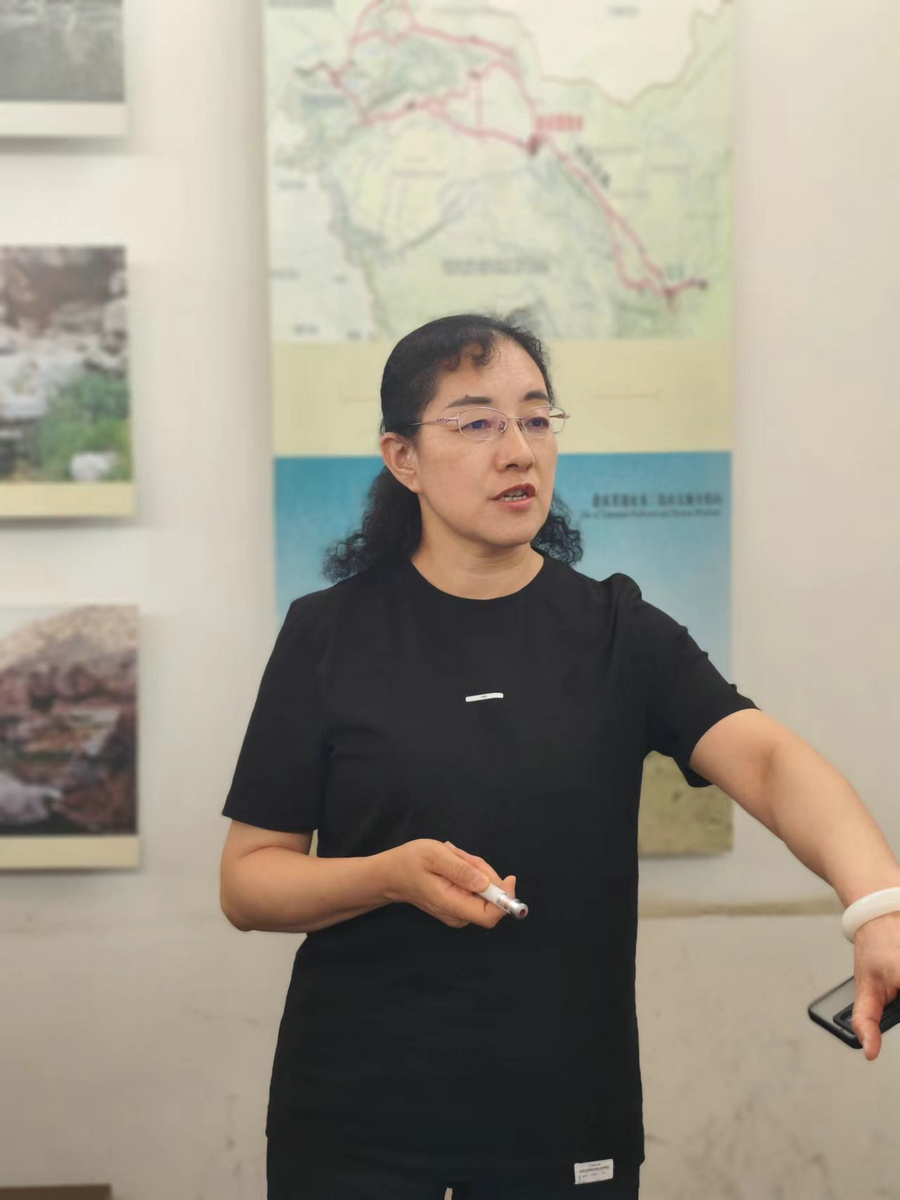
“Xuanquan slips are especially hailed by historians for recording the bureaucratic minutiae of the ancient postal system and the cultural exchanges between China and the West. They serve as original records of and testaments to the prosperity of the Silk Road during the Han Dynasty,” Zhang remarked.
“In addition to being first-hand information for modern people to study the historical origin of the Silk Road, Xuanquan slips can also help complement what the canonical texts of the period failed to record, or correct mistakes in such books,” the veteran scholar added.
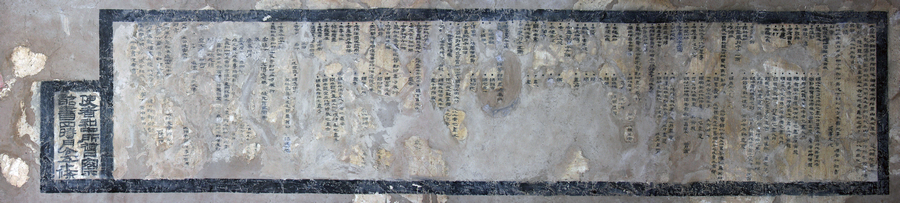
Apart from the colossal amount of slips, a wall epigraph called The Imperial Edict: Fifty Decrees in the Twelve Months of Four Seasons is a highlight excavated from the posthouse ruins. Dating back to 6 AD, the fifth year under the reign of Emperor Ping of the Western Han Dynasty, the edict listed all the musts and must-nots regarding agriculture, forestry, fishery and animal husbandry during every month.
“Identified as the earliest legal document focusing on the relationship between human activities and the natural environment, the edict is considered by experts as China’s first environmental protection law,” Rong said.
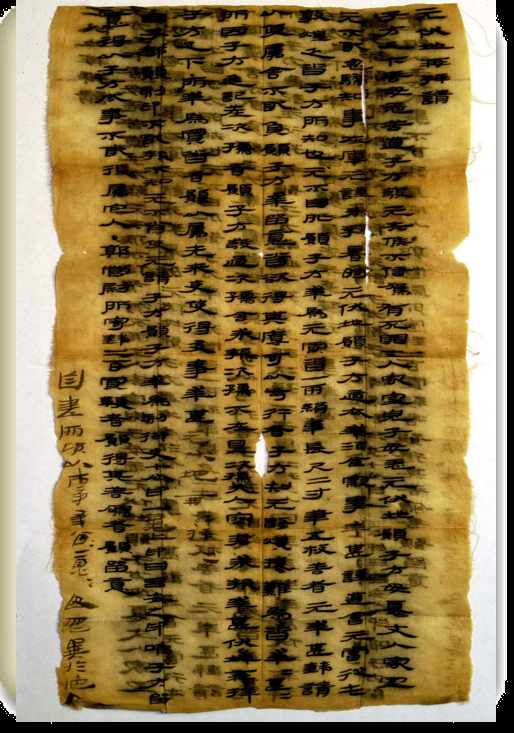
Another high-profile relic from the site is a letter Yuan wrote to his friend Zifang in the Han Dynasty. Written on silk in lishu (clerical script), the letter contains 319 characters in 10 lines, making it the earliest, most complete personal letter with the most words found in the country as of now.
In his letter, Yuan asked Zifang to do five things for him: buy a pair of shoes with leather vamp and silk insoles, purchase five quality writing brushes, call on a person called Ci Ru and ask him to write back to Yuan, make a seal for Lyv Zidu and buy a horsewhip for an officer surnamed Guo.
Historians surmised that Yuan’s letter was from somewhere less developed, and that Zifang was an official at Xuanquanzhi where there was a vibrant market nearby due to its position on the Silk Road.
Scholars remarked that compared with the grand narratives recorded in canonical historical texts, Yuan’s letter may pale into insignificance. However, it offers modern people an intimate glimpse into the lives of ordinary people living more than two millennia ago whose stories were rarely told.
Reviving the glory through tourism
Barely an hour’s drive away from the city of Dunhuang, the World Heritage site remains under the radar for most tourists beckoned by the appeal of the ancient city.
A part of the greater Dunhuang cultural tourism economic circle, which centers on Dunhuang, known for its world-renowned Mogao Grottoes, the Site of Xuanquanzhi is being built into a tourist destination with improved accessibility and comprehensive tourist services.
The construction of a tourist service center, a Xuanquan market, and a cultural relic exhibition center, is afoot. The ancient post house site is expected to welcome its first batch of tourists next fall, according to Xu Jinping, project manager of Xuanquanzhi tourism development.
“We are building a replica of Xuanquanzhi to help tourists better understand the ancient post house. At the Xuanquan market, they can find food and beverages and also be able to shop for souvenirs,” Xu said.