Silk, tea, porcelain and giant panda have traditionally represented China's image, the image of an "ancient civilization", to the outside world. But it seems new elements are taking over the important cultural task. Call it the strength of China's soft power, if you will.
During his visit to four Latin American countries, President Xi Jinping presented his hosts "State gifts" from China - DVDs of popular TV serials, including Love is Not Blind, Beijing Youth and To Elderly with Love, which depict the daily lives of Chinese urban dwellers.
A country's leader displays his charisma and presents his country's image when he visits a foreign land. Therefore, the "State gifts" he/she carries have to be carefully chosen, because they are liable to different interpretations.
By gifting his Latin American hosts DVDs of Chinese TV serials, instead of porcelain, tea or silk as a "State gift", Xi has presented a different image of China. It's an excellent way of promoting China's "cultural soft power" at a time when "smart power" has become a vital part of a country's strength and core competitiveness.
Since taking office in late 2012, China's new leadership has incorporated more "soft" elements into its diplomatic activities. In a speech delivered in Tanzania during his visit to that country in March 2013, Xi mentioned A Beautiful Daughter-in-law Era, a very popular Chinese TV series that was being broadcast in Tanzania then, drawing appreciation from the audience.
Besides, Premier Li Keqiang, during his visit to Thailand in October 2013, told his hosts that Lost in Thailand, a Chinese comedy movie on the adventures of three Chinese in Thailand, was at one time the highest rated box office hit in China, and brought the Chinese leader and ordinary Thai people closer.
China has achieved remarkable economic and social progress during its more than three decades of reform and opening-up. As a result, its political influence in the international arena has been on the rise. China also has made sincere efforts to know and understand the world better and vice-versa.
But the impression many foreigners have about China is still confined to some traditional symbols representative of China, such as giant panda, porcelain, silk and tea; they cannot see China in its entirety and know little or nothing about its grassroots people and their daily lives.
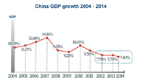
GDP growth alone does not tell modern China's story. Economic prosperity, political development, cultural tolerance and in particular, ordinary people's lives with their share of joys and sorrows are needed to portray the real picture of China.
Given its growing economic and political influence, China should try to boost its "cultural influence". More cultural exchanges will help the rest of the world know that China is not only about pursuit of economic prosperity and political influence, it is also a country where people live in the same way as their Western counterparts do.
In this regard, the new "cultural elements" Chinese leaders have chosen to promote the country's soft power are expected to spread its cultural charm in its entirety across the world.
The author is a senior writer with China Daily.
wuyixue@chinadaily.com.cn


Copyright 1995 - . All rights reserved. The content (including but not limited to text, photo, multimedia information, etc) published in this site belongs to China Daily Information Co (CDIC). Without written authorization from CDIC, such content shall not be republished or used in any form. Note: Browsers with 1024*768 or higher resolution are suggested for this site.
License for publishing multimedia online 0108263 Registration Number: 130349