However, China's health authorities should know that in a country that has long remained particularly sensitive to "indexes" or "quotas", any "number standards" set by a superior department, even when issued with the best of intentions, is very likely to be implemented to the letter or excessively implemented at the grassroots level.
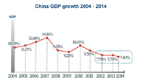
We have some profound lessons from our economic development figures. The country usually sets targets for its GDP development, a strategy whose purpose has been to encourage local governments to mobilize limited resources to boost local economic and social development and improve people's living conditions. However, such figures have all too often been regarded by local officials as their overwhelming goal, no matter what attaining such a target might entail for the environment or people's health. Local governments seem to have forgotten that the purpose of economic development is not reaching a GDP goal, but improving people's living standards and quality of life.
The enormous environmental price we have paid for local governments' pursuit of rigid GDP targets over the past decades should not be repeated with hospital goals at the cost of people's lives.
Concerning the latest mortality ceilings stipulated by the health authorities, we fully understood they might have come up with them with good intentions, but the potential problems are deeply troubling. Despite being defined as "non-compulsory", the possibility cannot be ruled out that some hospitals, out of their desire to show a good performance, may resort to non-treatment and non-admittance to bring their mortality rates in line with the "reference standards" from their superior department.
It is unreasonable and also unscientific to set an indiscriminate mortality standard even for the same disease, given that patients hospitalized at different times or with different levels of general health will respond differently to the same treatments or operations.
Hospitals are places to save lives, but they do not have infallible powers over life and death. To control or reduce their mortality rates, hospitals need to look at the service they provide, and put in place efficient management systems to analyze and evaluate how to improve the quality of care they provide. For the health authorities, what they should do is to provide hospitals with the resources they need to lower their mortality rates.
The author is a senior writer with China Daily. wuyixue@chinadaily.com.cn


Copyright 1995 - . All rights reserved. The content (including but not limited to text, photo, multimedia information, etc) published in this site belongs to China Daily Information Co (CDIC). Without written authorization from CDIC, such content shall not be republished or used in any form. Note: Browsers with 1024*768 or higher resolution are suggested for this site.
License for publishing multimedia online 0108263 Registration Number: 130349