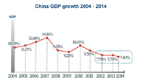
In the past three decades, China's development has pulled a staggering 680 million people out of poverty. It did so through a dramatic increase in access to modern energy, mostly powered by coal, which has led to terrible outdoor air pollution in Chinese cities, not to mention making China the world's premier carbon dioxide emitter. That is why many environmentalists say that China's meteoric rise has come at substantial environmental costs.
It is true that China now suffers from more outdoor air pollution than in its pre-boom days, but the same happened in all other industrializing countries - air pollution in London reached a peak in 1890.
It is also important to point out that while outdoor air pollution in China has definitely increased since 1990, the overall impact of air pollution has declined. This is because indoor air pollution is often wrongly ignored. Indoor air pollution comes from burning charcoal, twigs and dung inside the house, which creates terrible pollution and kills more than 1 million people in China each year.
Overall, the world's largest study conducted by the World Health Organization estimates that for China, deaths from outdoor air pollution have increased from 900,000 to 1.2 million a year from 1990 to 2010. But decreasing poverty has allowed many more to avoid indoor air pollution, which has dropped faster, from more than 1.6 million deaths to 1 million deaths in 2010. Almost 2.6 million people died from air pollution in China in 1990, but the number declined to 2.3 million in 2010 despite an 18 percent increase in the population. In total, fewer people now die from air pollution in China because of less poverty.
With outdoor air pollution rampant in Beijing that may seem surprising, but we forget that indoor air pollution has always been more important. In 1900, almost all pollution deaths in the world were related to indoor air pollution, and the individual risk of dying from air pollution was more than five-fold higher than it is today.
In short, indoor air pollution has declined, because the increasing number of people coming out of poverty can now afford to cook using modern energy. Yes, outdoor air pollution has increased - but that only confirms a long-standing finding that many environmental indicators tend to first get worse, then better, with economic development.
Essentially, China, just like the United Kingdom before it, has traded off economic development for some additional outdoor air pollution. This prosperity buys food, education and medical services, while electricity and gas help eradicate indoor air pollution. The familiar pattern is that once a country obtains a certain level of wealth, it can also afford to protect more nature and reduce pollution. About 80 percent of China's coal-fired power plants now have pollution-reducing scrubbers, and sulfur emissions have been declining since 2006.


Copyright 1995 - . All rights reserved. The content (including but not limited to text, photo, multimedia information, etc) published in this site belongs to China Daily Information Co (CDIC). Without written authorization from CDIC, such content shall not be republished or used in any form. Note: Browsers with 1024*768 or higher resolution are suggested for this site.
License for publishing multimedia online 0108263 Registration Number: 130349