Chinese top leader Xi Jinping's instruction on the environmental pollution problem at the Tengger industrial park in Inner Mongolia once again highlighted that when it comes to the environmental protection, China doesn't lack laws but lacks effective law enforcement.
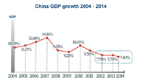
Since the launch of reform and opening-up in 1978, China's GDP has grown by an average of 10 percent a year. But now the Chinese leadership is prepared to sacrifice the high GDP growth rate, to a certain extent, to transform the country's economic development model in order to protect the environment. The leadership says it is time China declared a war on pollution, and the new thinking is slowly permeating to lower-level authorities.
One of the first steps was to reform the environmental law. After two years of debate, the 1989 Environmental Protection Law was amended for the first time in 25 years to improve supervision and ensure that violators do not go scot-free. Before the amendment, the law was not tough enough to curb pollution, because the cost of compliance was often much higher than fines to be paid for violations. In some extreme cases, the fines were even less than the government's administrative cost for collecting them. These created the wrong incentives for industries.
The amendment law will come into force from Jan 1, 2015, but its effectiveness will depend on how pollution is monitored and the rules are enforced.
The absence of cost-effective technology and trained manpower, however, could be one of the major problems in enforcing the law. For example, laws and regulations are in place for controlling vehicle emissions but no technology is available for detection. As a result, vehicles with high emissions still ply the road.
The same is true for water quality. The number of quality indicators to be monitored has increased from 35 to 106, but not enough attention has been paid to facilities and technical capacities at the local levels. For instance, are there properly equipped laboratories and trained people across the country to accurately and timely monitor all the 106 indicators? Are there enough experts in the country to analyze and interpret the collected data? These are important issues that are yet to be addressed.
In some cases, action cannot be taken even after a violation is detected because of the shortage of personnel in government departments. Take air pollution, for example. The Beijing environmental protection bureau needs to deal with more than 5,000 complaints a year, but its current capacity in terms of trained personnel is far from enough to look into all the complaints in detail and pull up companies flouting environmental rules. Also, many companies are reluctant to allow environmental inspection; often inspectors face verbal assaults. So, sometimes officials are forced to seek the help of local police. This culture can be changed if the authorities take prompt and regular action against such companies.


Copyright 1995 - . All rights reserved. The content (including but not limited to text, photo, multimedia information, etc) published in this site belongs to China Daily Information Co (CDIC). Without written authorization from CDIC, such content shall not be republished or used in any form. Note: Browsers with 1024*768 or higher resolution are suggested for this site.
License for publishing multimedia online 0108263 Registration Number: 130349