Since the handover in 1997, the central government has hewed to the line of "one country, two systems" and honored every term and condition as outlined in the Basic Law. The people of Hong Kong will be able to vote for their next chief executive in the 2017 election, just not the right to nominate the candidates who will run for the highest office. The voters will choose from among the candidates vetted by a nominating committee. It's a limited form of democracy but that is the Basic Law.
The Hong Kong police have shown professional restraint and kept a delicate balance between maintaining order and minimizing violence. They have been doing their utmost to keep the disturbance civil and, unlike Occupy Wall Street in New York City, have not resorted to cracking heads with swinging batons.
Fortunately, the situation seems to be calming down. Office workers are being allowed to go back to work. Protesters and government representatives are having a conversation. Hopefully, this is the beginning of negotiations that will lead to a mutually acceptable resolution.
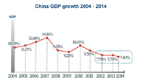
Until recently, people of Hong Kong have not been overly concerned about their freedom to vote and much more concerned over the freedom to make money. That was true under British rule and carried over after the handover. China's own economic success created enormous opportunities for the folks in Hong Kong that wanted to achieve financial success.
After China began its reform under Deng Xiaoping's exhortation that "get rich is glorious," Hong Kong business people became wealthy by moving their factories into the mainland and transferring their management and business knowhow to the mainland. As some wise observers have counseled the protesters, Hong Kong's future rides on coattails of China's future.
The young protesters need to ask themselves, "What form of democracy is likely to provide them with a future superior to riding on the coattails of China's economy?" Certainly not the UK, former masters of Hong Kong. Theirs is a deficit economy tittering on the brink of insolvency and desperate for investments from the mainland and renminbi-based transactions to keep the country afloat.
What about the United States, the "paragon" of all democracies? Which part of this democracy would the Hong Kong protesters like to emulate? The grid-locked dysfunction of Washington as a model of good governance? The right to vote completely squashed by the politics of money where the deeper the pockets, the louder the voices behind the checkbook? Maybe they would like to help pay the mounting national debt, currently close to $60,000 per person?


Copyright 1995 - . All rights reserved. The content (including but not limited to text, photo, multimedia information, etc) published in this site belongs to China Daily Information Co (CDIC). Without written authorization from CDIC, such content shall not be republished or used in any form. Note: Browsers with 1024*768 or higher resolution are suggested for this site.
License for publishing multimedia online 0108263 Registration Number: 130349