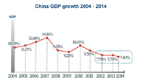
But despite the solid outlook, Asia faces significant risks to stability and growth. In the near term, investors could overreact to rising US interest rates, raising financial market volatility and borrowing costs and, ultimately, lowering growth. Higher corporate leverage and rising household debt could also amplify the adverse effects of higher interest rates on investment and growth. Finally, an escalation of geopolitical tensions could hurt exports and activity more broadly.
What is the role for policies in all this? Recent actions by Asian policymakers have boosted confidence and improved resilience in several economies, including India, Indonesia and Malaysia. But addressing medium-term risks calls for a renewed push for structural reforms to overcome the deterioration in the longer-term growth outlook that we have seen across the region in the past few years. Such reforms would not only strengthen Asian growth and make it more inclusive and sustainable, but also lower its vulnerability to disappointing growth or financial market shocks from the West.For China, steadfast implementation of the reform blueprint should help the economy's transition toward a more sustainable path. Financial sector reforms through deposit rate liberalization and introduction of deposit insurance will help safeguard financial stability and improve the allocation of credit. State-owned enterprise reforms that aim to "level the playing field" and generally allow markets rather than the State to allocate resources would be a key complement to financial sector reforms. Improving fiscal management, especially of local government finances, will help contain risks and better allocate resources, while tax and social security reforms have the potential to boost consumption and address inequality.
Finding the right balance - reducing risks, rebalancing away from unsustainable credit and investment growth, and maintaining adequate growth and employment - will be an ongoing challenge. Containing vulnerabilities and moving the economy to a higher quality, sustainable growth path should be a priority, and broad-based stimulus should be deployed only if growth threatens to slow significantly below the government's target.
If such stimulus is deemed necessary, it should be implemented in a way that supports the reform effort, such as through on-budget measures to boost consumption rather than a new wave of credit-financed investment, which would put at risk the important gains already made in restructuring and rebalancing the economy.
The authors are economists at the IMF Resident Representative Office in China.


Copyright 1995 - . All rights reserved. The content (including but not limited to text, photo, multimedia information, etc) published in this site belongs to China Daily Information Co (CDIC). Without written authorization from CDIC, such content shall not be republished or used in any form. Note: Browsers with 1024*768 or higher resolution are suggested for this site.
License for publishing multimedia online 0108263 Registration Number: 130349