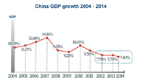
The domestic business environment, where many Chinese companies once thrived, has changed dramatically in recent years. Labor costs have increased significantly and the competition from both Chinese and foreign companies has heated up across industries, meaning competing on low prices alone is no longer an effective business strategy.
One result of a more challenging operating environment is that Chinese companies are now looking outside of China, especially to the United States and Western Europe, for competitive advantages such as advanced technology, managerial talent, and increasingly global brands to help strengthen their competitive position within China and gradually overseas.
For example, the Chinese dairy company Bright Food invested $58 million in New Zealand's Synlait milk in part to use the overseas brand name to help differentiate itself in the eyes of Chinese consumers after the 2008 dairy scandal. Additionally, Geely's 2010 acquisition of Volvo cars enabled the Chinese automaker to gain access to a premium global car brand and improve its competitive position in the world's largest auto market.
Beyond overseas brand acquisitions, there are several Chinese companies that have built strong global brands within their respective industries. Some examples include Haier in home appliances, Huawei in telecommunications and Xiaomi in consumer electronics. While these companies are far from achieving brand recognition among everyday global consumers, global competitors surely recognize their brands and are strategizing every day to prevent them from taking away their market share.
And while Chinese companies are placing more emphasis on branding to improve their competitiveness, their employees and consumers are also becoming more internationally exposed. The boom in Chinese outbound tourism, overseas studies, and immigration are creating a generation of both global and globally-minded Chinese at the individual level.
Companies in relatively newer industries such as biotechnology, the Internet, and consumer electronics, are often run by executives who possess this international experience and understanding of why they need to concentrate on building a brand from day one. Meanwhile, Chinese consumers interacting with the world mean more opportunities for Chinese brands to make their way in front of international consumers.
(Just ask any of your Chinese friends, regardless of where they live, if they have heard of Tencent's mobile application, "WeChat," and you will see what I mean.)
Ultimately, we will see more Chinese brands weave their way into our everyday lives.
The author is associate vice-president at the Frontier Strategy Group. Courtesy of chinausfocus.com
 Considering money as the end is the tragedy

Copyright 1995 - . All rights reserved. The content (including but not limited to text, photo, multimedia information, etc) published in this site belongs to China Daily Information Co (CDIC). Without written authorization from CDIC, such content shall not be republished or used in any form. Note: Browsers with 1024*768 or higher resolution are suggested for this site.
License for publishing multimedia online 0108263 Registration Number: 130349