A new cycle springs forth
Period of hibernation ends as signs of life emerge once more to greet the coming year, Zhang Lei reports.









Forms of celebration
Spring greeting rituals were often held by the imperial court to express gratitude to the celestial gods, You says.
The kings of the Western Zhou Dynasty (c.11th century-771 BC) had to fast three days before lichun. On the very day, the king personally led the entire court to the eastern suburbs to welcome the spring, praying for a year of good weather and a bountiful harvest.
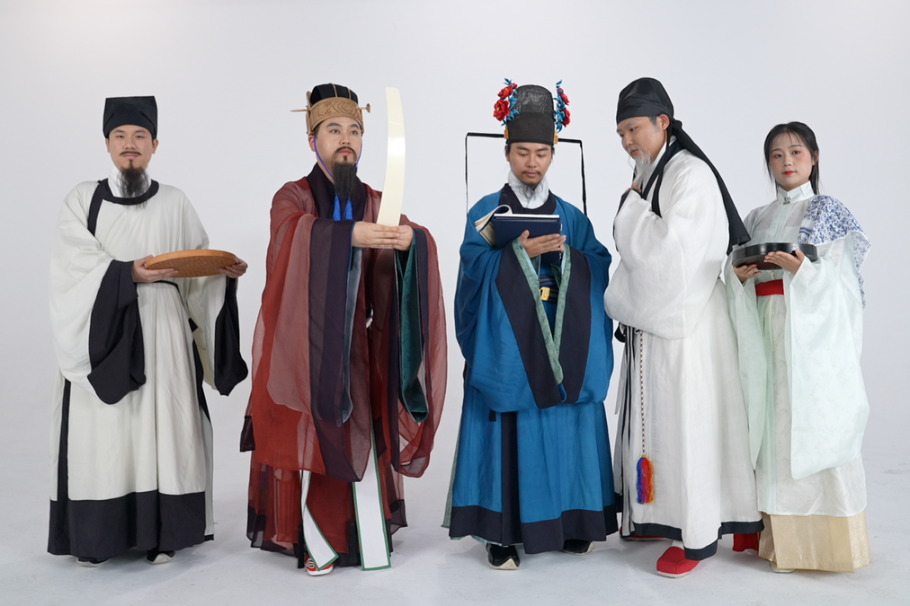
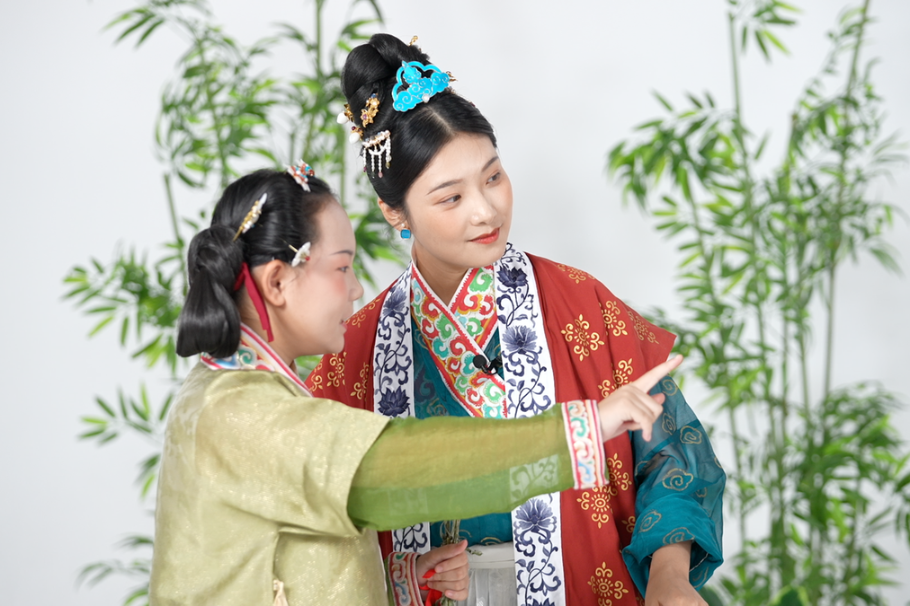
During the Qing Dynasty (1644–1911), the ceremony evolved into an important folk activity participated in by everyone. The forms of celebration were simple and interesting, such as wearing gorgeous flower-shaped headdresses, and hanging spring banners cut in the shape of the two Chinese characters yichun (comforting spring). The latter is believed to be the origin of the spring couplets.
A few days before lichun, baochun (announcing spring) is essential. Young men dispatched by the local government would hold small gongs, beat them while singing the praises of spring, and send a picture of a "spring cow" to every door. They were given a few small coins as a gift.
The ritual worked in ancient times as a special notice to start spring plowing. When the "spring officials" arrived, scholars, farmers, laborers or businessmen all had to bow to them. When making the announcement in shops, the officials were entitled to any goods and food at will. Instead of chasing them away, the shopkeepers greeted them with smiles.
It gets even more interesting when it comes to the custom of "beating spring" and the "spring cow" drawing.
Mangshen is the god of vegetation and represents the god in charge of agriculture, while cattle are animal labor for plowing the fields.
In the spring greeting ceremony, the official representatives had to worship mangshen first, and then symbolically beat the "spring cow" (usually made of bamboo and paper paste) with a whip, which showed that the officials and the people were diligent in their farming. After the whipping, people would rush forward to tear off a small piece of the "cow". It is said that burying it in their fields would lead to a good harvest.
The ceremony, which had been practiced for more than a thousand years, ended with China's imperial reign, but the combination of mangshen and the "spring cow" have been preserved to this day in the form of drawings.
There is always a "spring cow" picture attached to a peasant calendar if you buy one in rural regions, in which the figure of mangshen and the relative position of the spring cow are drawn in different ways according to the year's zodiac and the corresponding five elements, a Chinese philosophy used to describe interactions and relationships between things.